Category: Blog Posts

Story Vines

Sometimes Reading Is Hard by Robin Bright

I am going to be referencing Robin Bright’s book, Sometimes Reading Is Hard, pages 91-92.

We are using story vines as they benefit:

  • Fluency and sequence of a story
  • Help students practice the skill of retelling a story
  • Trying new vocabulary

How to create a story vine:

  1. Choose a book
  2. Read the book
  3. Using materials like rope or string, braid a long piece. Then with popsicle sticks, pom-poms, googly eyes, foam sheets, felt, etc. create the pieces that are important to the story and glue it onto your braided vine (make sure the teacher has an example of a story vine).
  4. Re-read the book
  5. Retell the story to a peer

Other Resources:

When I was looking at different resources for story vines, I found an article from CBC which talks about Indigenous perspective which states that we don’t have to be using Indigenous knowledge to have Indigenous aspects. Simply orally telling the story while having your story vine guide you through the practices allows for “oral traditions.” I have seen classrooms doing story vines with animals and having aspects of their lifestyles as pieces that go below the animal. Additionally, you could use story vines about the students and what has happened throughout their school year.

I found another website where you can sign up for an event. This website gives an idea on what they are doing with story vines and I would really like to partake in it!

My Story Vine

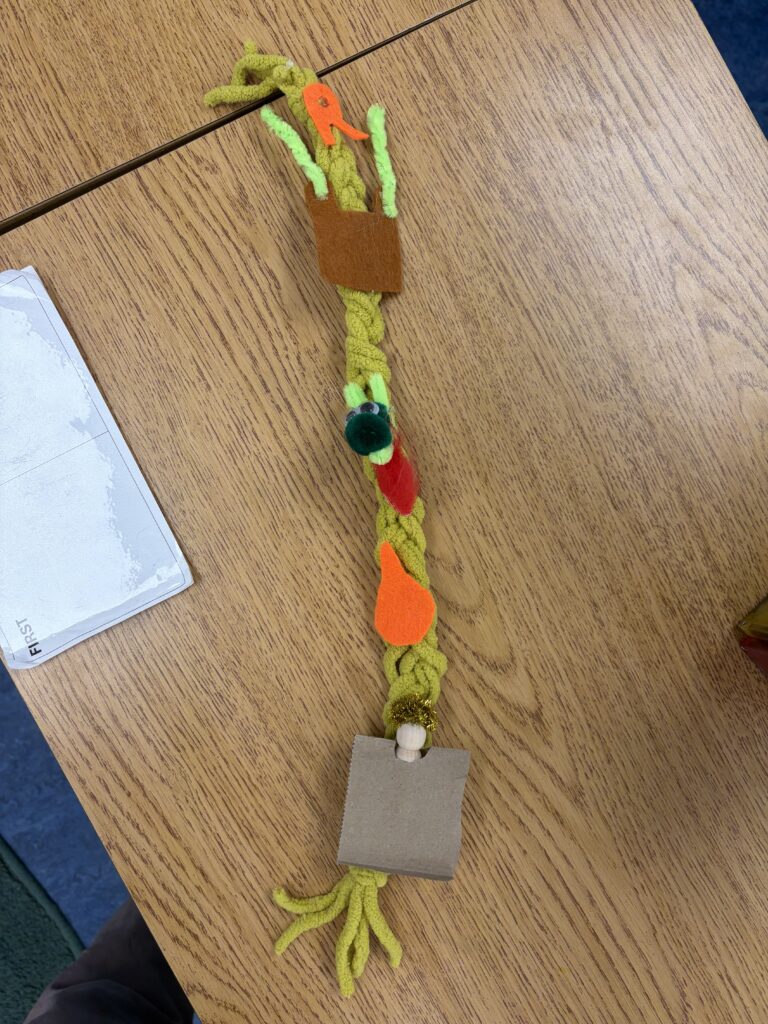
I created my story vine about The Very Hungry Caterpillar as I am going to be using it in my practicum. I chose this book because it is a classic and it goes through the lifecycle of a butterfly. Starting from an egg, then hatching into a caterpillar, then what the caterpillar needs to eat to form a cocoon, then lastly, how the cocoon opens up and a butterfly comes out of it.
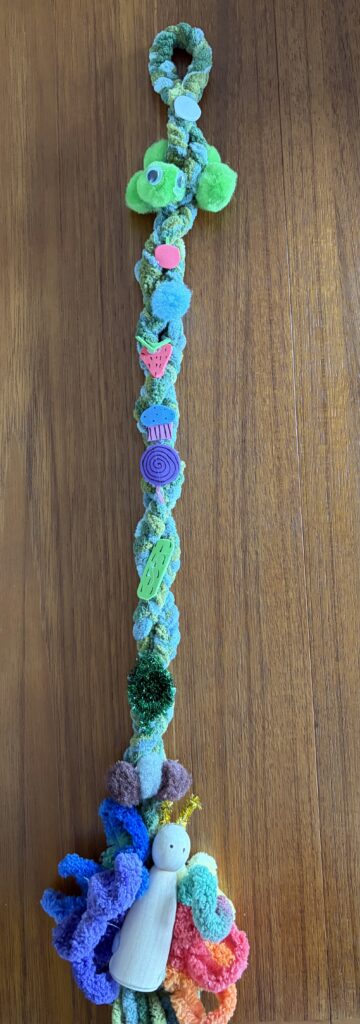
The story vine I created using The Very Hungry Caterpillar.

Grade 2/3 Story Vines:

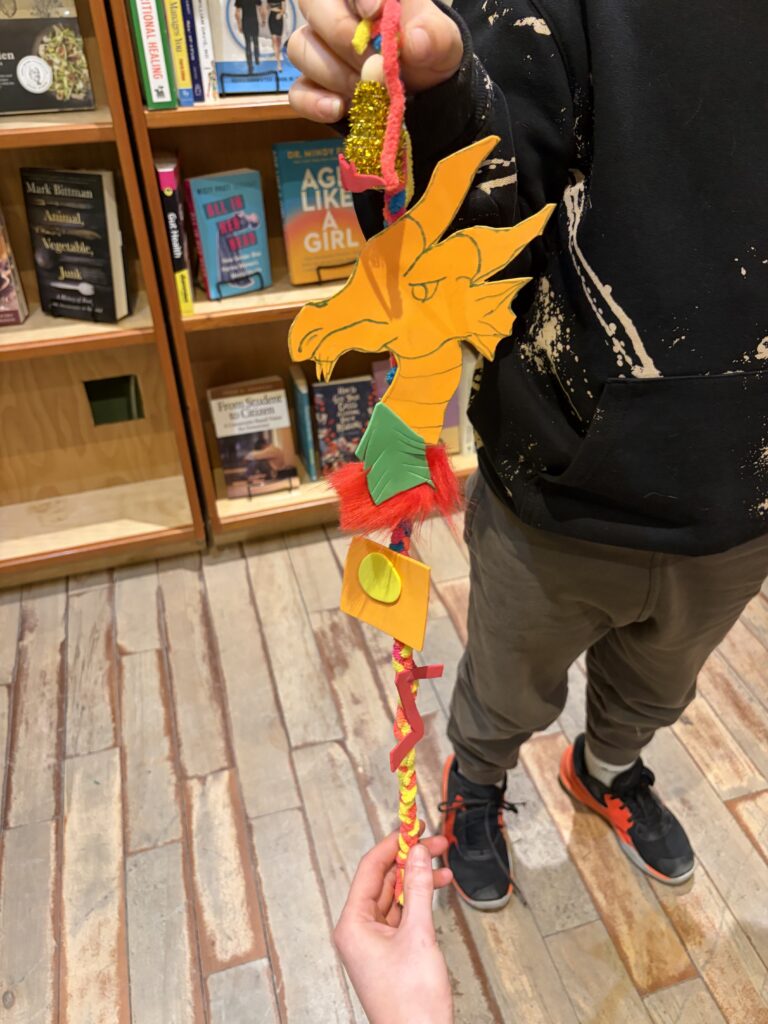
The student I was working with’s story vine
Another students story vine.

Today, we used The Paper Bag Princess to create story vines for Paper Bag Princess week (March 2nd- 6th). We gathered at our local book store, Huckleberry Books, to create a story vine with a Grade 2/3 class. Then the next day, we went into their school and the students got to share their story vines with the Kindergarten class.

Grade 2/3’s Sharing with the Kindergarten’s:
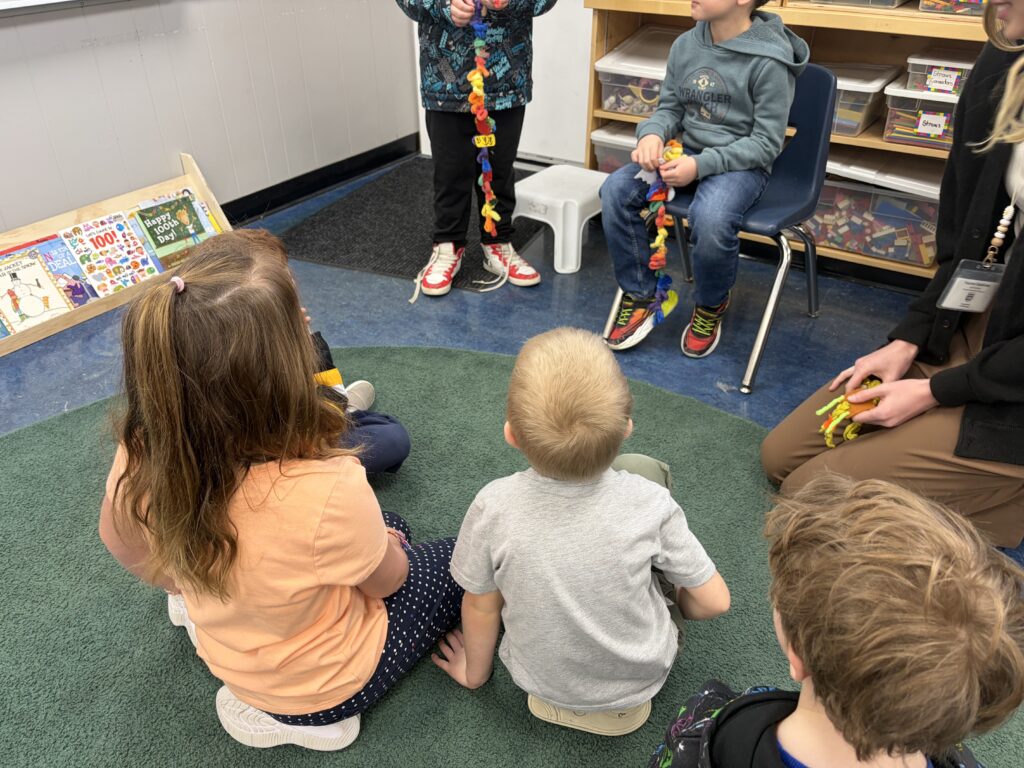
One of the students retelling their story vine. Photo taken by Lauren Penney.

In my group during the retell process, the two students I was working with did very well. One of the students was able to tell the story, but I guided the student with questions to expand on their storytelling process.

Some of the questions I asked where:

  • Why would there be fire?
  • Who is this person? What are they wearing? Why are they wearing a paper bag?

The other student that was in my group, was able to retell the story while including all details about the story.

The Kindergarten’s seemed really engaged and they wanted to create their own.

How this connects to the BC Curriculum:

Story vines can be used from Kindergarten to Grade 12.

ELA Curricular Competencies:

Grade 2:

  • Explore oral storytelling processes
  • Use developmentally appropriate reading, listening, and viewing strategies to make meaning
  • Exchange ideas and perspectives to build shared understanding
  • Plan and create a variety of communication forms for different purposes
  • Recognize the structure and elements of a story
  • Engage actively as listeners, viewers, and readers, as appropriate, to develop understanding of self, identity, and community

Grade 3:

  • Use developmentally appropriate reading, listening, and viewing strategies to make meaning
  • Engage actively as listeners, viewers, and readers, as appropriate, to develop understanding of self, identity, and community
  • Recognize the structure and elements of story
  • Exchange ideas and perspectives to build shared understanding
  • Plan and create a variety of communication forms for different purposes and audiences
  • Use oral storytelling processes

ELA Content:

Grade 2:

  • Elements of a story
  • Reading strategies
  • Oral language strategies
  • Features of oral language

Grade 3:

  • Elements of a story
  • Reading strategies
  • Oral language strategies
  • Features of oral language

Cross Curricular:

  • Arts Education (creating the story vine and elements)
  • Depending on what the teacher wants the story vine to be about, it can be cross curricular into science, socials, math, health, etc.
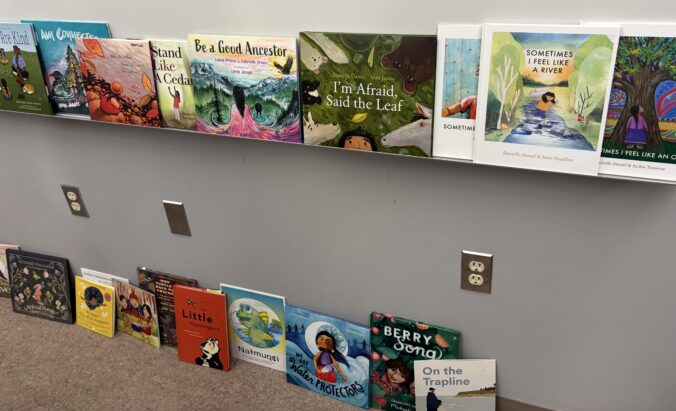
Building a Diverse Classroom Library

As a future educator, I am trying to build my classroom library so that it is diverse and all students are able to relate to the books that are presented in my classroom. This will ensure that all of my students know they have a place, that they belong, and are welcomed. I have learned that it is not about having a wide range/variety of books. It is about gathering books that students see themselves, others, and the world.

“When you help your students see themselves represented in books, you help them realize that they are valued members of society” (Bright, 2021, p.153).

Rudine Sims Bishop has been sharing her concern about not having enough diverse books in the world. Rudine explains that mirrors represent the peoples lives, windows view the lives of others, and sliding glass doors are portals for empathy.

Here are the latest statistics that CCBC’s posted about children’s book diversity:

Picture Books:

These are some of the books that I have in my library:

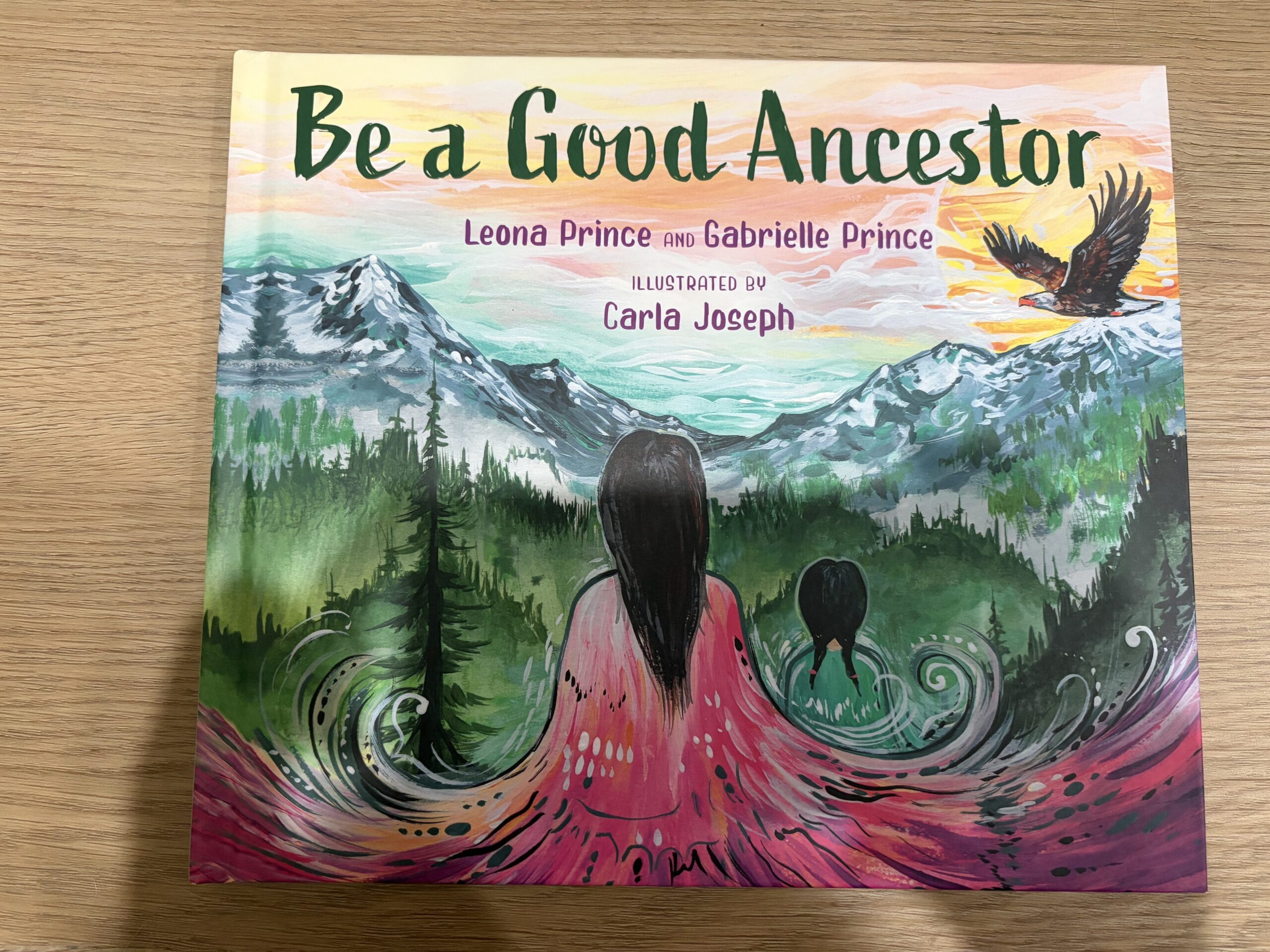
Be a Good ancestor – This book has an Indigenous Worldview centred on responsibility and unity, as it teaches interconnectedness and caring for our land. This book acts as both a mirror and a window as it allows Indigenous students to look at themselves and their communities, but also allows others to learn about Indigenous ways of knowing.

Photo by Lauren Penney.

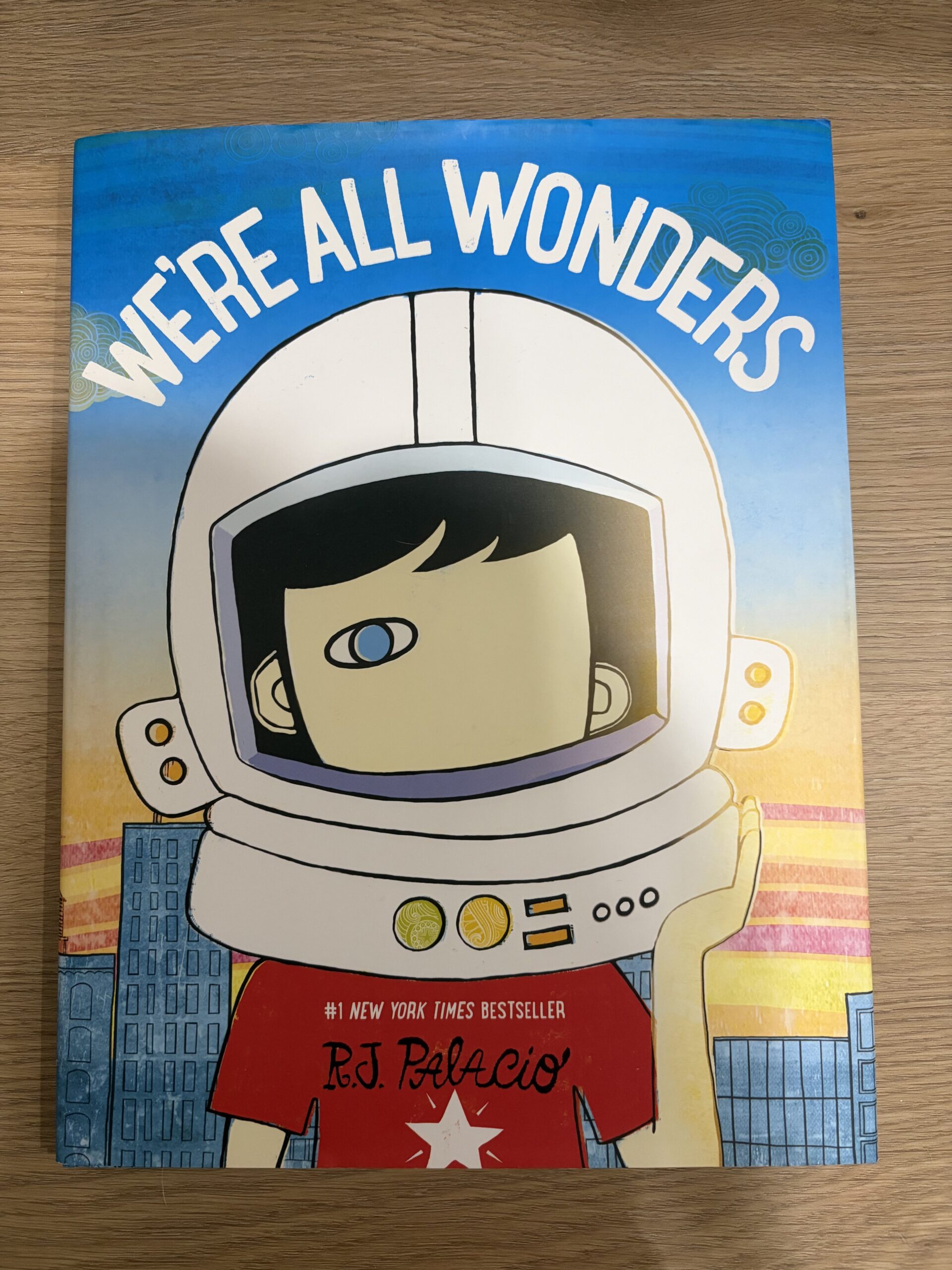
Wonder – This book explores differences and kindness while encouraging students to perspective take and be empathetic. This book connects to the sliding glass door.

Photo by Lauren Penney.

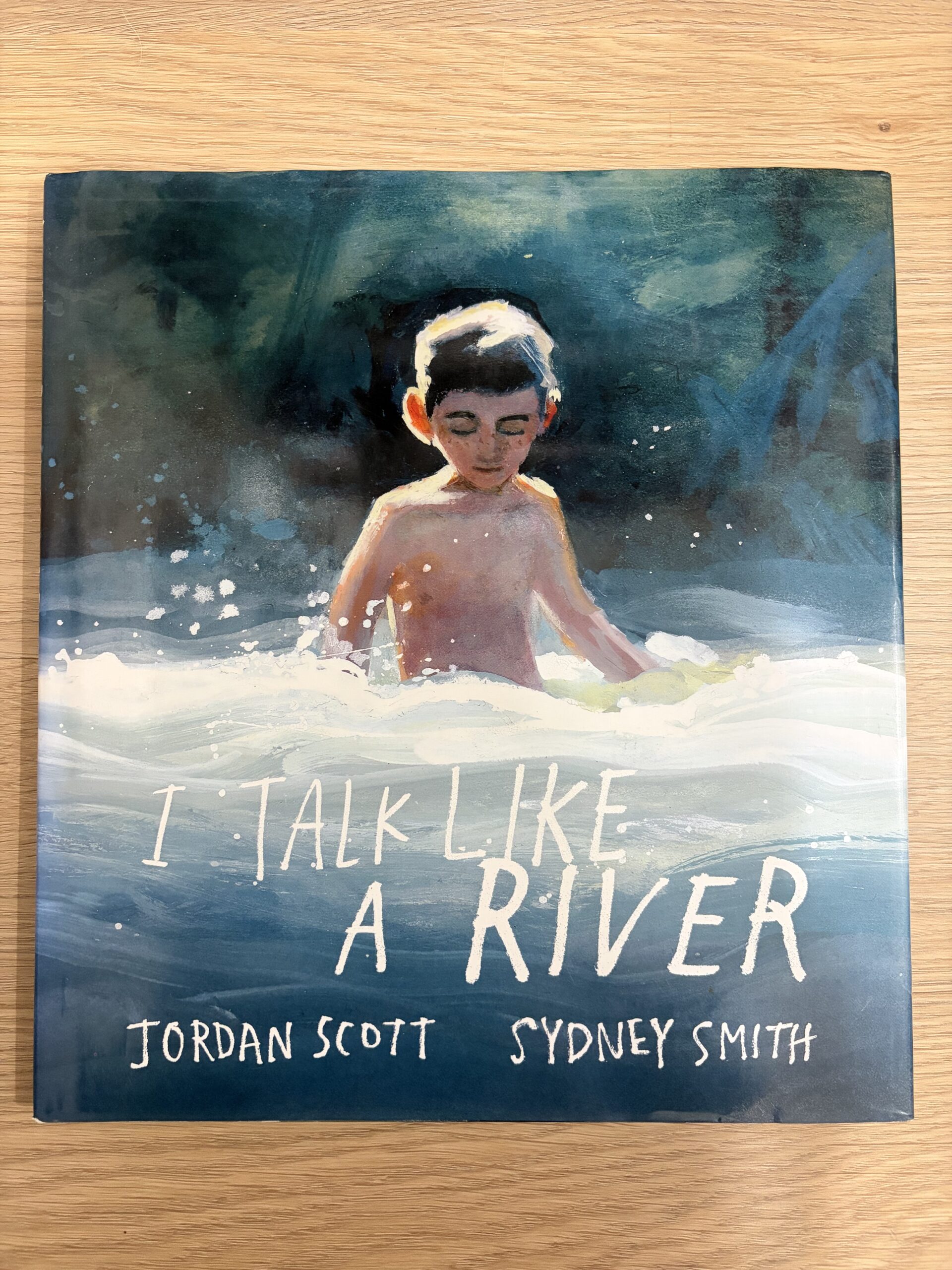
I Talk Like a River – This book centres a child who stutters. It helps students explore identity and self acceptance. It connects to a window into differences and a mirror for students that have speech differences.

Photo by Lauren Penney.

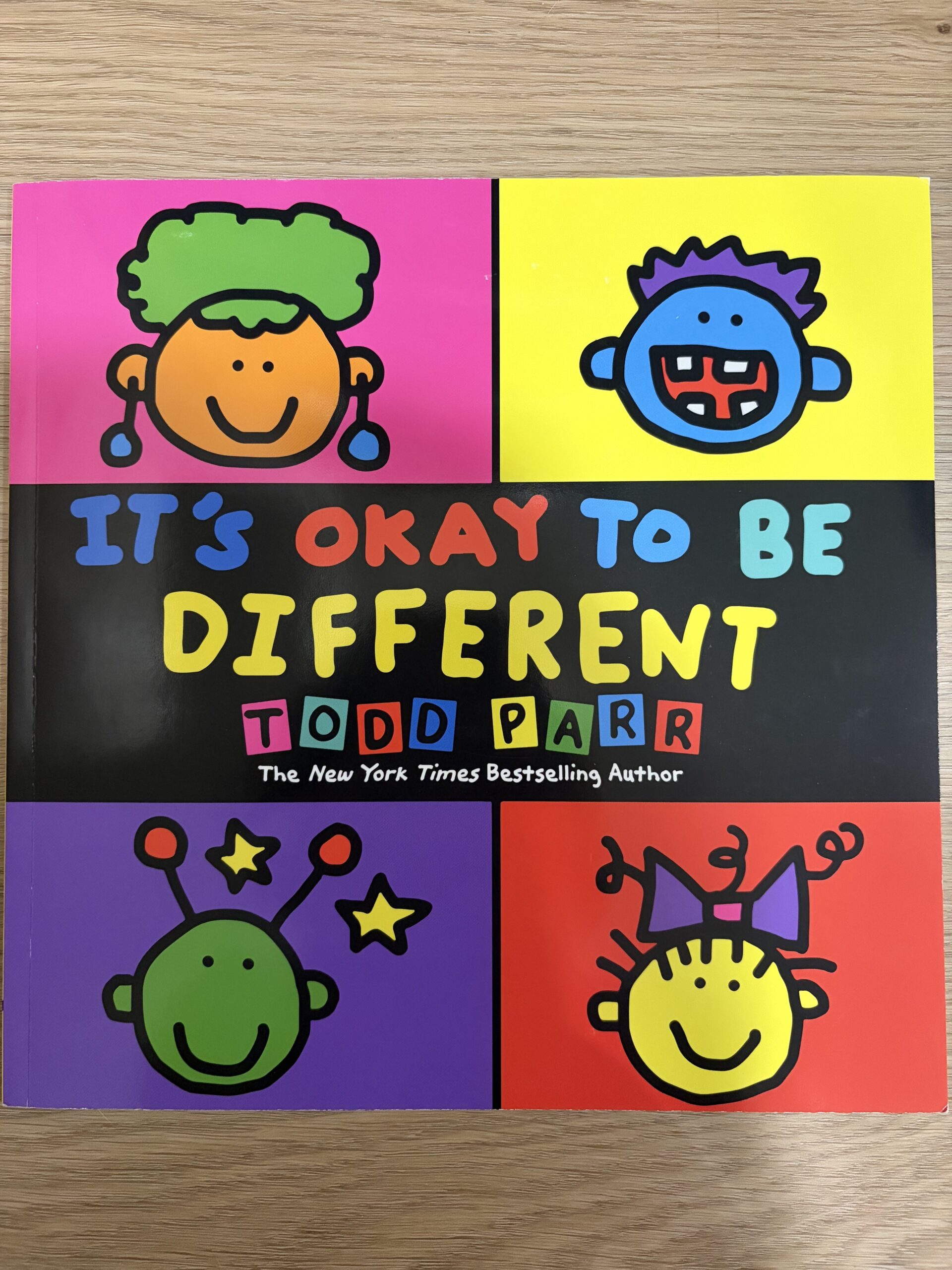
It’s Okay to Be Different – This book celebrates differences and opens conversations up about belonging for the primary grade levels. This book connects to windows and mirrors as well as a sliding glass door.

Photo by Lauren Penney.

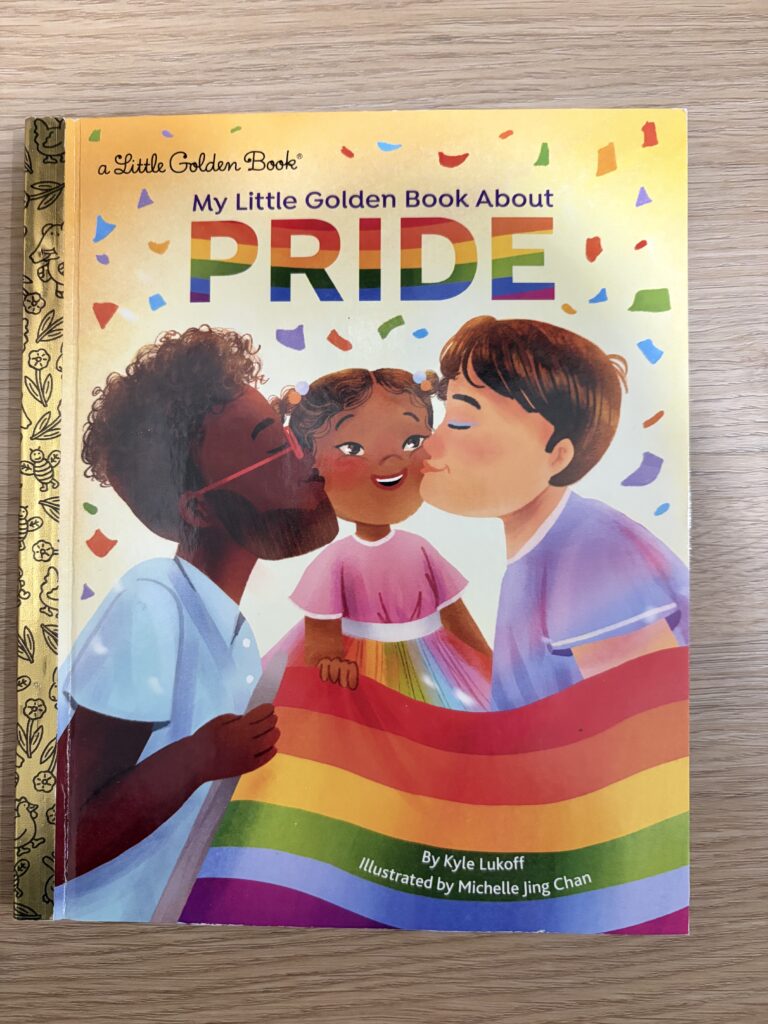
My Little Golden Book About Pride – This book celebrates love, identity, and acceptance. It explains the meaning of pride and the importance of being your true self and supporting others around you. This book represents a window and a mirror.

Photo by Lauren Penney.

These are some books that I am wanting to add to my collection:

All of the books I have listed have potential for being a mirror, window, and a sliding glass door. I listed what I think fits best, but I also believe that as a teacher, you choose the focus when using them in your classroom.

Reflection:

As educators, it is our job to stay informed about books and which ones are appropriate and meaningful resources for certain topics within the school. A big help for me is following Adrienne Gear on social media and checking her website, as she posts amazing resources (picture books) that address about major topics, and diversity. I also think it is important that if you feel unsure about bringing and presenting a book in front of a class, that you should get in contact with your administrator and the families of the students. Additionally, having a diverse library in your classroom allows for students to connect to their personal life which relates to the BC Curriculum from Kindergarten to about Grade 4.

Literacy Stations

This week, we had to prepare a literacy station for a grade of our choice. I choose grade 1 because that is the grade of my practicum. Throughout this experience, I had 3-4 students in a group and we rotated groups every 10 minutes. I found my literacy station on Tik Tok and I used the persons idea and made it my own by incorporating multiple different phonic styles in my iSpy. Ms. Tori has many good ideas for literacy centres. Here are some of her ideas:

  • Roll and read
  • Read and Draw (decodable text)
  • Shut the box
  • Sentence scramble
  • Teacher table (UFLI)
  • Build a story (character, setting, main event)

She has so many great ideas that I will be taking into my practicum!

My Activity:

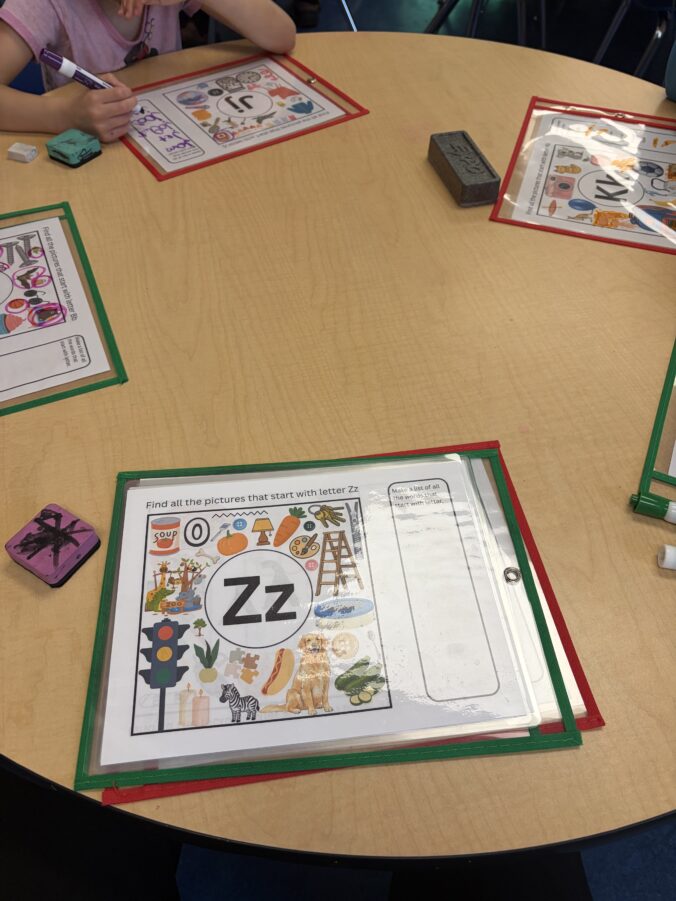
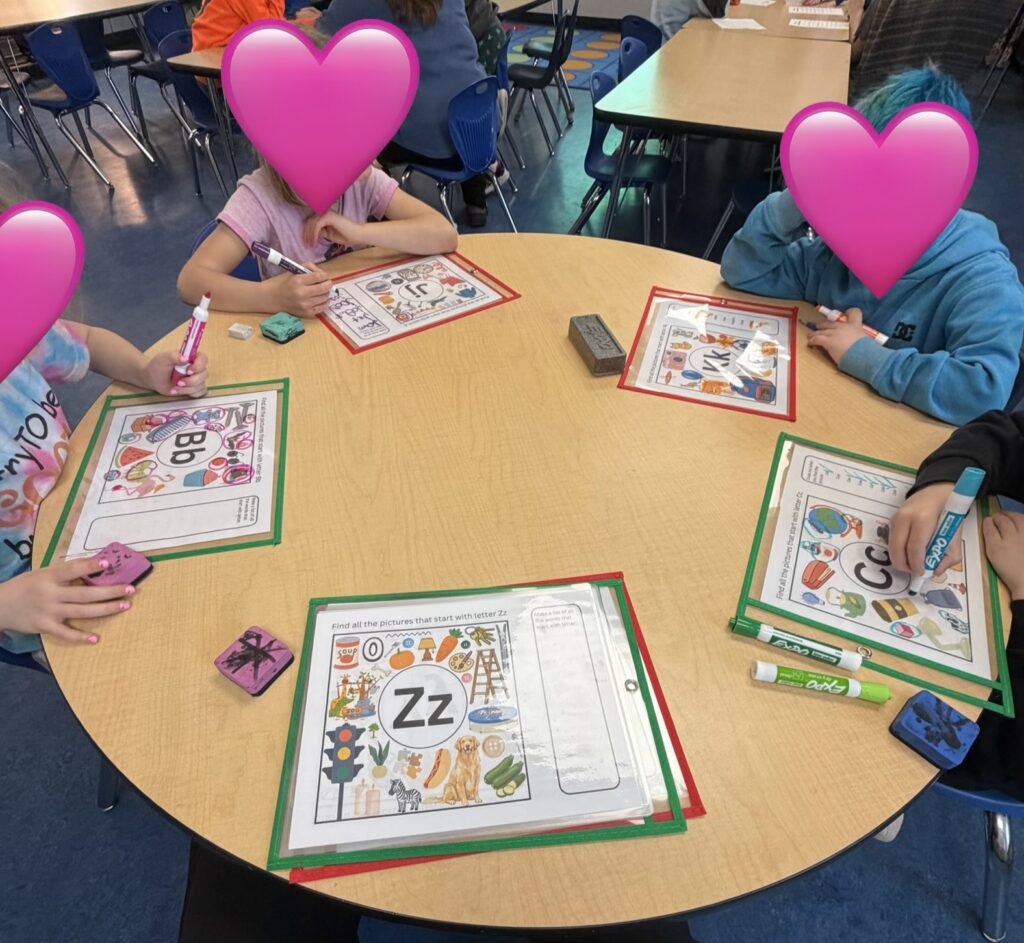
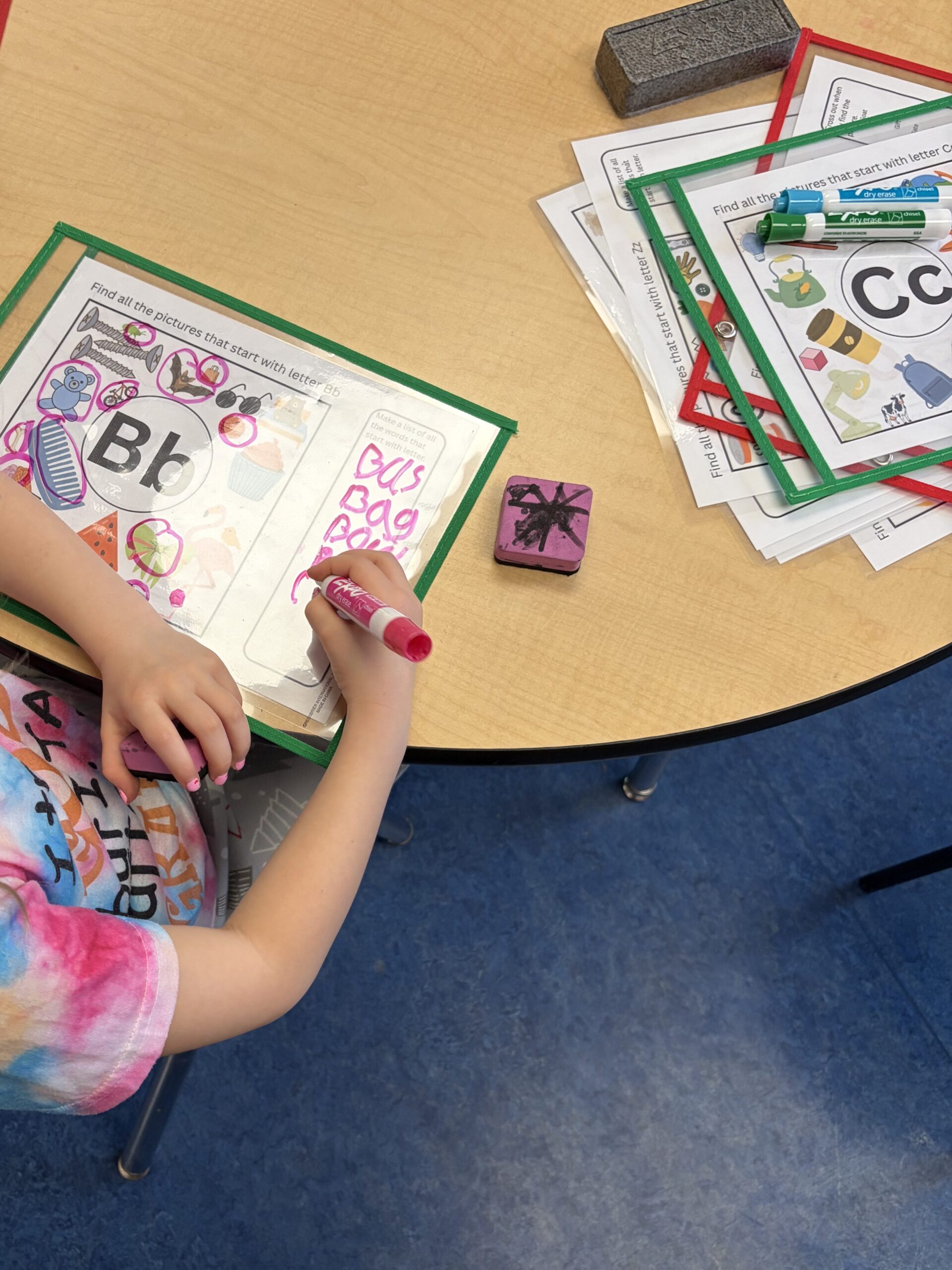
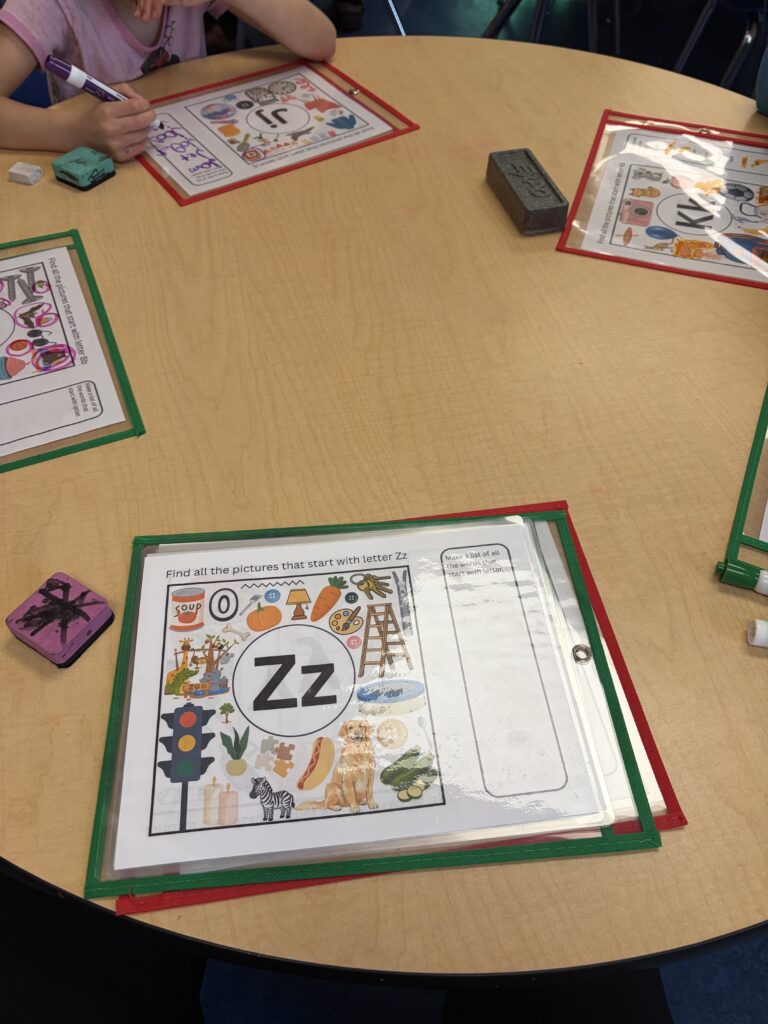
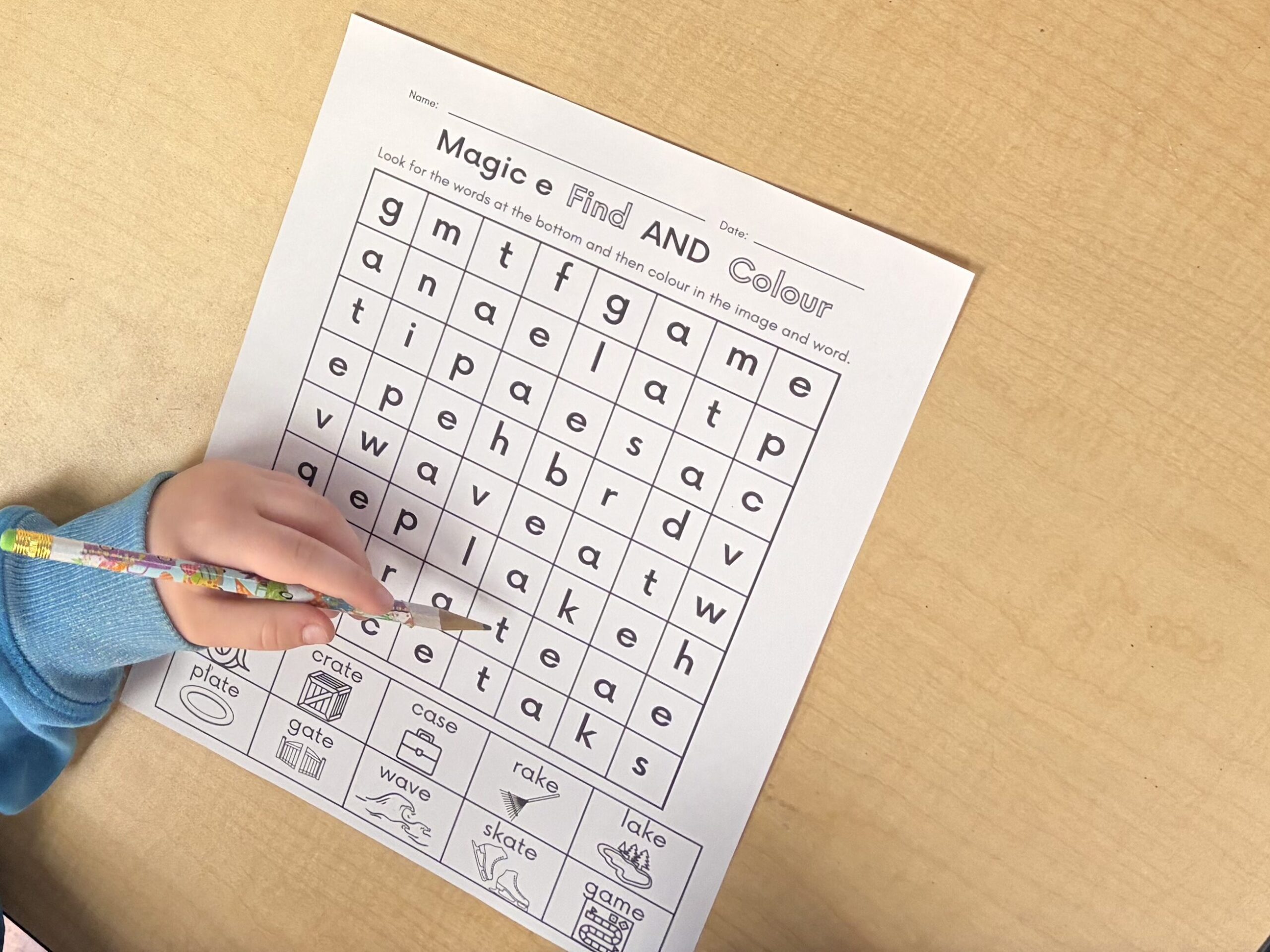
This iSpy has “magic e”, long and short vowels, and blending words. What the students will do is pick which iSpy sheet they want then they will grab a white board marker. Depending on what the students pick they will then either cross off the word that they find or they will have to write the word that starts will that letter. As well, students can circle the objects that they find to help them keep track. I was there to help students sound out words and let them know if they were missing any of the objects that correlated to their letter.

Here is a picture of my literacy station:

Photos taken by Lauren Penney.

Here are what my peers in the same classroom decided to do:

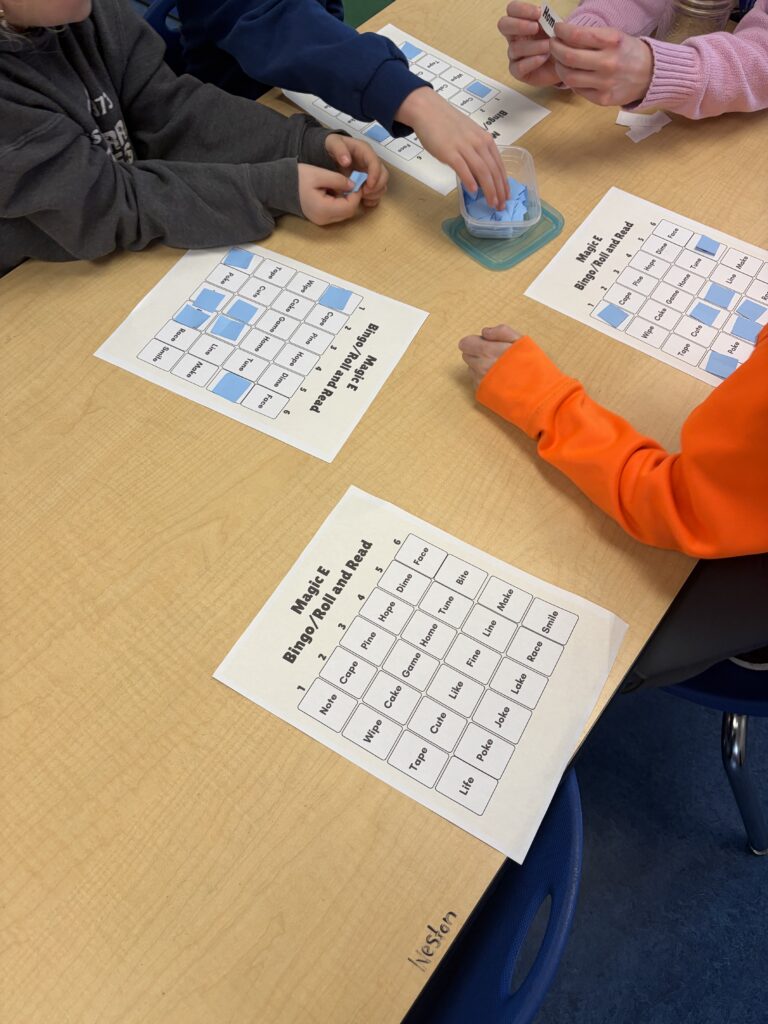
  • Roll and Read
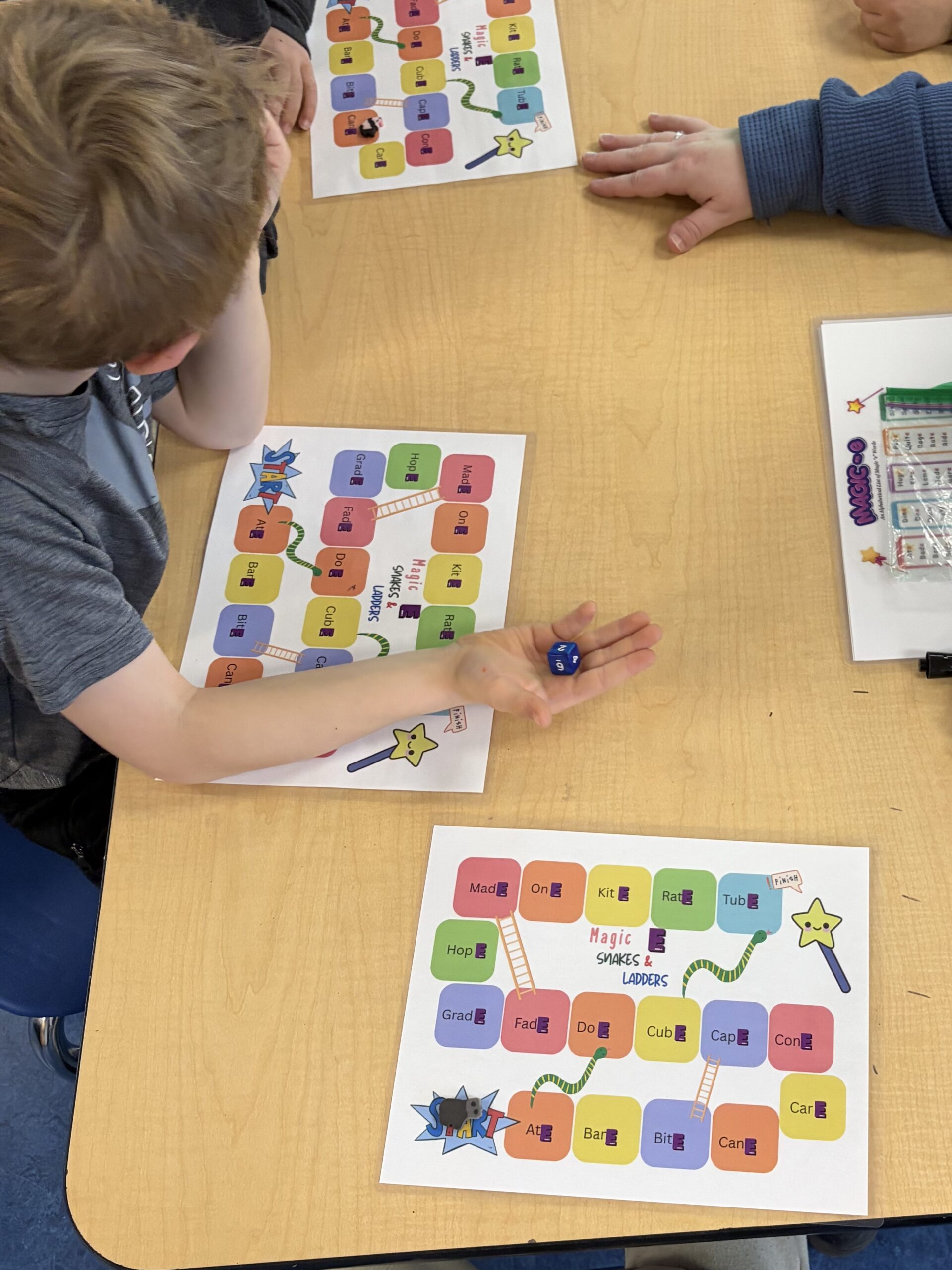
  • Snakes and Ladders
  • Bingo
  • Word search
Snakes and Ladders
Word Search
Bingo and Roll and Read

iSpy Connection to the BC Curriculum for Grade 1 ELA:

Big Ideas: Playing with language helps us discover how language works.

Curricular Competency: Use foundational concepts of print, oral and visual texts.

Content: Concepts of print. Print awareness. Phonemic and phonological awareness.

Reflection:

I had so much fun doing this with a grade one class. The students seemed engaged with my iSpy and they did quite well with it. I was surprised with how well they did with writing the words down. I did have some students who got confused on what letter they were looking for when they had to write down the object that they found in the side column, so I think making it more clear when I was giving the explanation would have solved that problem. The reason why some of the iSpy had the object words was for modifications and adaptions. I wanted to make sure that the class I was going into could have a challenge (writing the objects words on the side) if they were at that level. I felt like all of the groups were evenly divided up well. A couple of the students started acting silly and playing with the white board eraser so I took them away until they were finished. On average, the students were able to complete two letters of the iSpy. The students really seemed to enjoy this literacy activity and they wanted to keep playing. I cannot wait to use this again with students as I had just as much fun as they did!

Virtual Reality

Last year in my technology course, we went to the design lab and we played around with many different toys, one of the them being VR (virtual reality). You can see what we did then by clicking here!

This year we went to our local Design Lab which we then went through what we were going to be doing the next day at a local school with grades 5’s and 6’s. We walked through how to proper size all of the VR sets for the students, how to set boundaries, and preset the game so when students put on the VR set they did not have to do any setting up.

VR Activities

Reading:

We started off by having 5 different readers at different parts of the school, reading The Wolves in the Walls by Neil Gaiman. The grades 5’s and 6’s then got into groups and the first group went to reader number one, once they were done reading the first part, the students would be guided by another one of my peers to reader number two, etc. Once a group was finished with reader number one, then another group of students would go to that reader. That is how we funnelled students in.

Worksheet:

When students were waiting for their group to be selected for their turn to go to reader number one, they were working on a booklet that my professor provided. Students were working in groups and the rest of my peers who were not reading or guiding students to the next spot were walking around helping students complete the pages in the booklet.

VR:

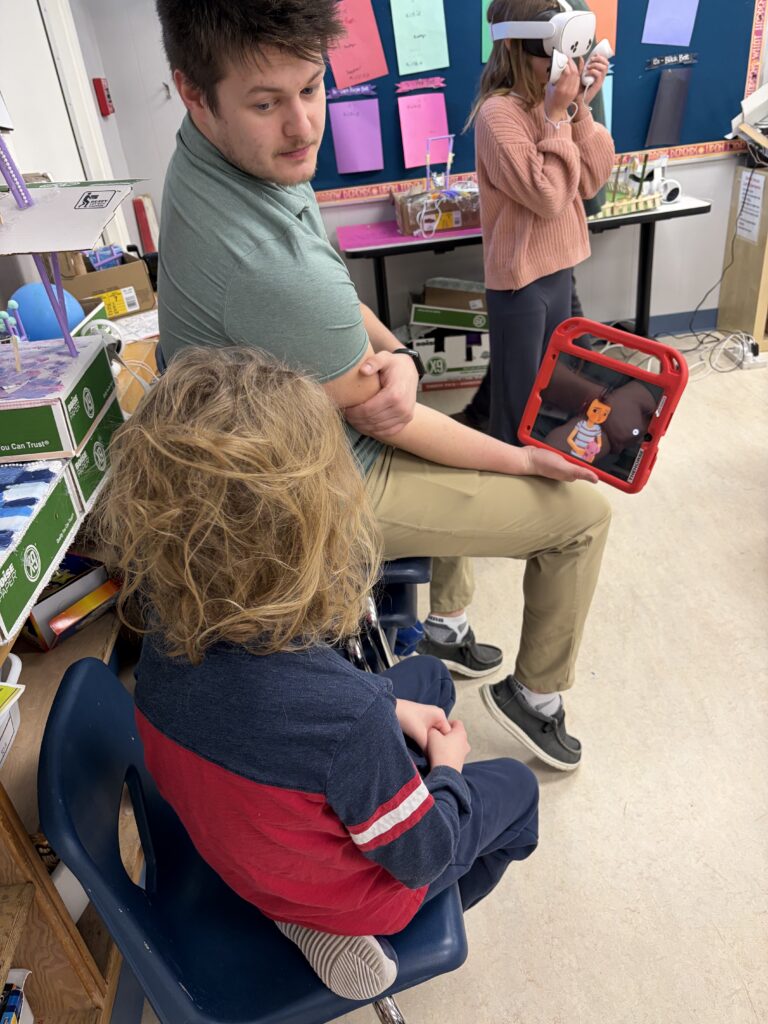
Once students finished all five parts of the book, they headed back to the classroom. This is when all of the EKTEP (East Kootenay Education Program) teacher candidates helped the students size their headsets and helped then through the story. We also had iPads that were connected to each students VR set so we could see what they were doing. Students loved watching the iPads to watch their friends during their experience.

Photo taken by Lauren Penney

Here is a video of what the students saw. The students get to be Lucy’s friend and help her show proof to her family that there are wolves in the walls. It is an interactive story where the students get to take pictures, help Lucy get the wolves out of the walls, draw, etc.

Watching my peer complete the VR experience.
Photo taken by Allie Kostiuk.

Connection to the BC Curriculum (ELA)

Grade 6:

Big Ideas – Language and text can be a source of creativity and joy.

Curricular Competency – Understand how literary elements, techniques, and devices enhance and shape meaning.

Content – Text features and literary elements.

Grade 5:

Big Ideas – Language and text can be a source of creativity and joy.

Curricular Competency – Recognizing how literary elements, techniques, and devices enhance meaning in texts.

Content – Text features and literary elements.

Cross Curricular – Applied Design, skills, and Technologies, Drama

Reflection

During my time with this class, I walked around to different reading groups to see how they were doing, I helped students work on the booklet, and I helped students fit their VR sets and make their way through the VR story. The students were engaged and enjoyed the VR experience. This is something that I would like to see more often. I know it cannot replace reading an actual book but I think it gives students a different perspective and really engages them in the story.

Read Aloud IN-SITU

For three weeks straight, I have gone into a local school and did three different read aloud’s with a literacy activity that went with a book of our choice.

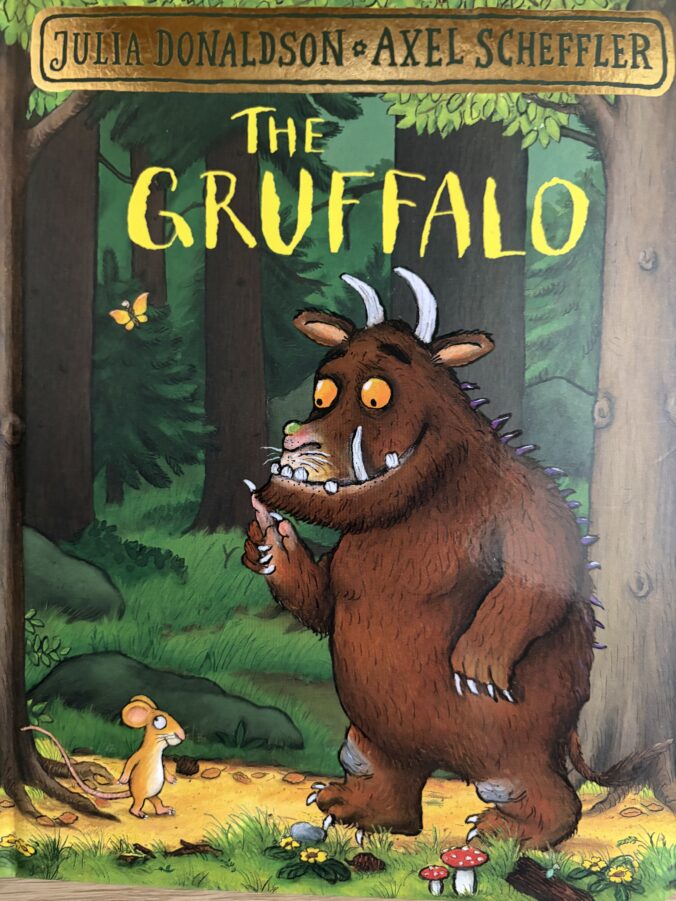
I am going to be focusing on week two which is where I read The Gruffalo to a grade 2/3 class.

I completed the Read Aloud Planning Template, from our textbook, Read Alouds for All Learners by Molly Ness (2024) on page 102.

How does this connects to the BC Curriculum for English Language Arts in the grade 2/3?

Big Idea: Language and story can be a source of creativity and joy.

Curricular Competency: Exchange ideas and perspectives to build shared understanding.

Content: Strategies and processes – reading strategies

Core Competencies: Communicating, and Creative thinking.

This activity connects to the Big Idea that language and story are a source of creativity and joy, as students used their imagination and narrative language to create their own original characters. The curricular competency of exchanging ideas was demonstrated through class discussions during the read aloud and during the activity.

My Activity:

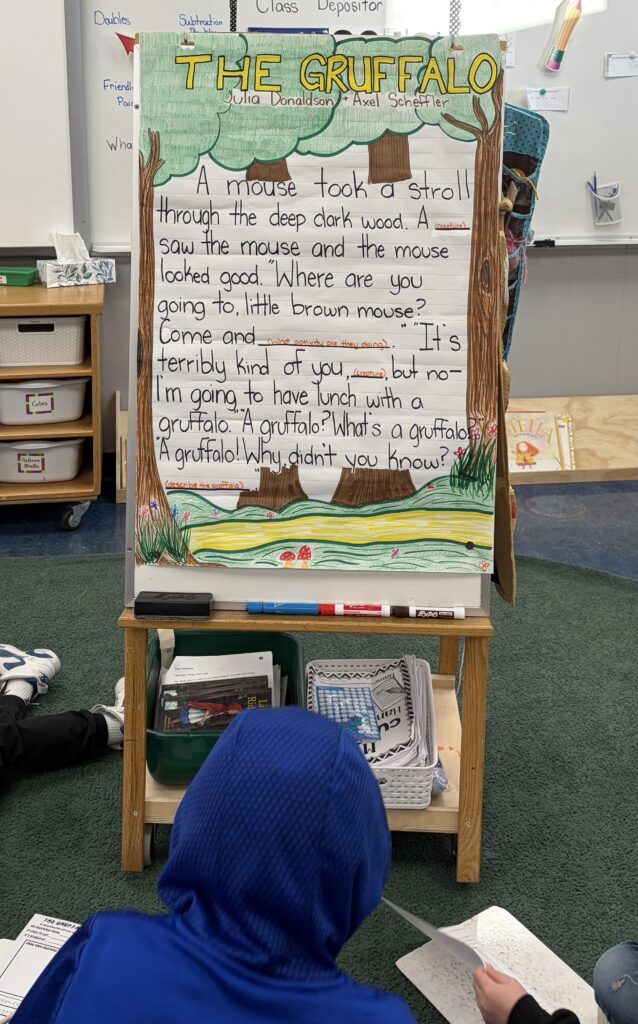
When I walked into the classroom, the students and the teacher were at the carpet. I then introduced myself and then the teacher asked if they could finish talking about their day plan. While they were finishing up, I put their literacy worksheet on their desks. Then I joined the class on the carpet and I read The Gruffalo. I then got the students engaged by pausing throughout the book to get the students to think if they notice any patterns, or what they think was going to happen next. Once we got through the whole book, I put up the poster I created on the white board and explained it with the class. I explained that the poster followed the same lines as the Graffalo and this would be important for when we did the activity.

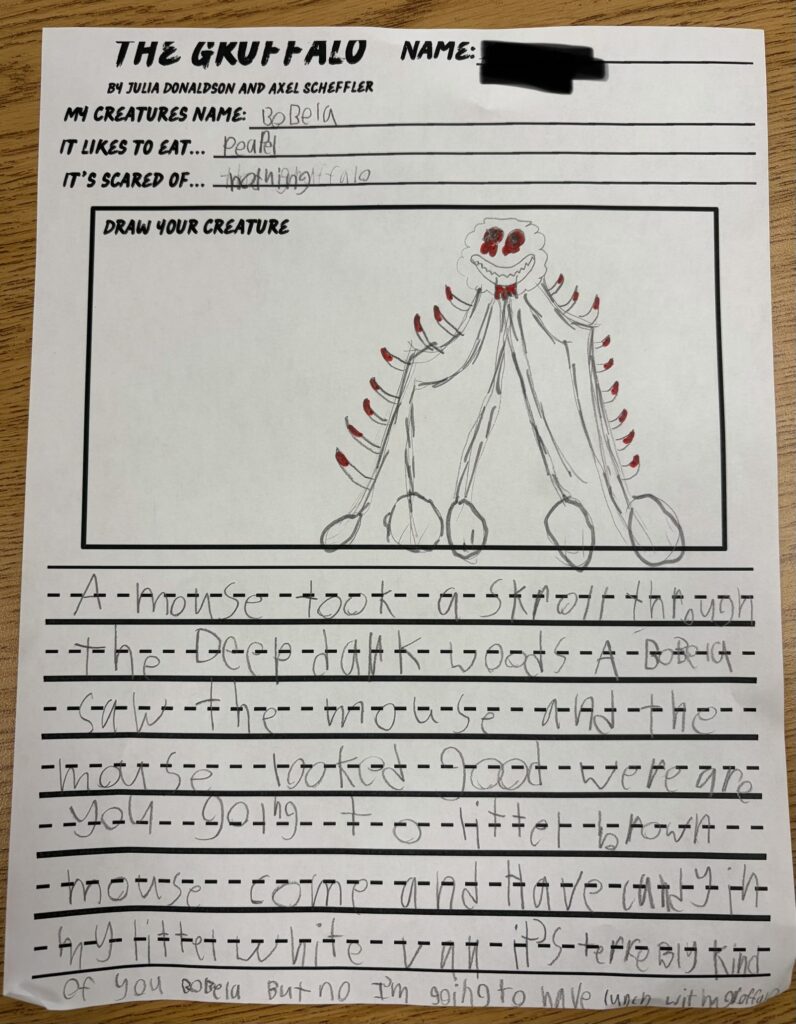
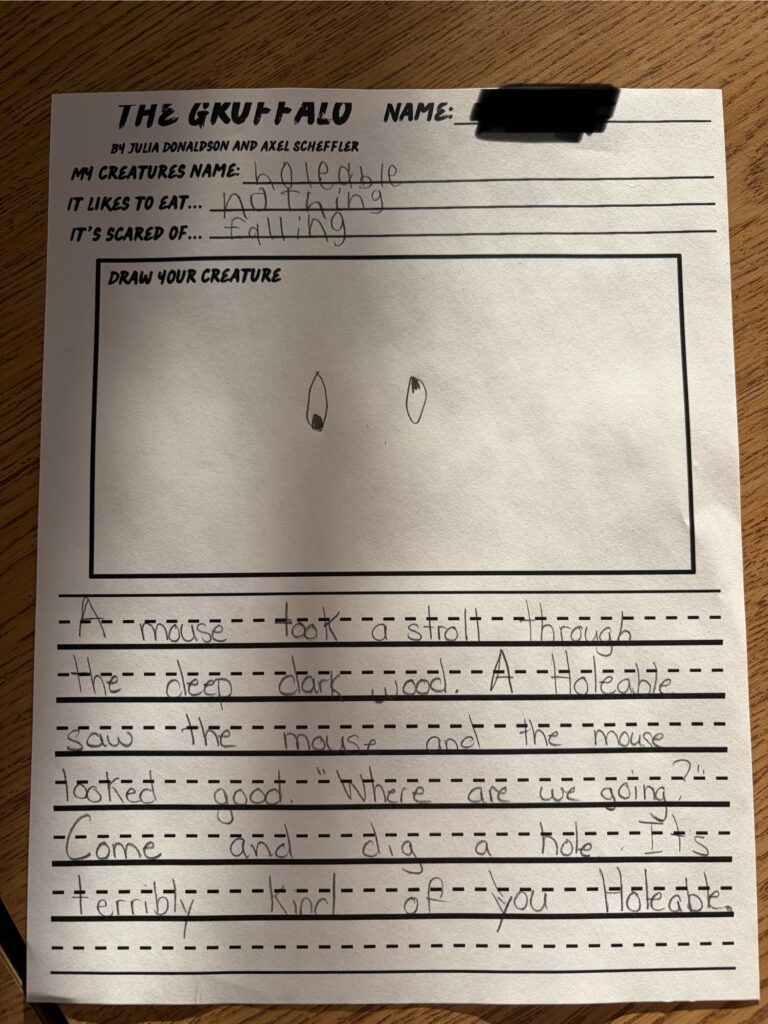
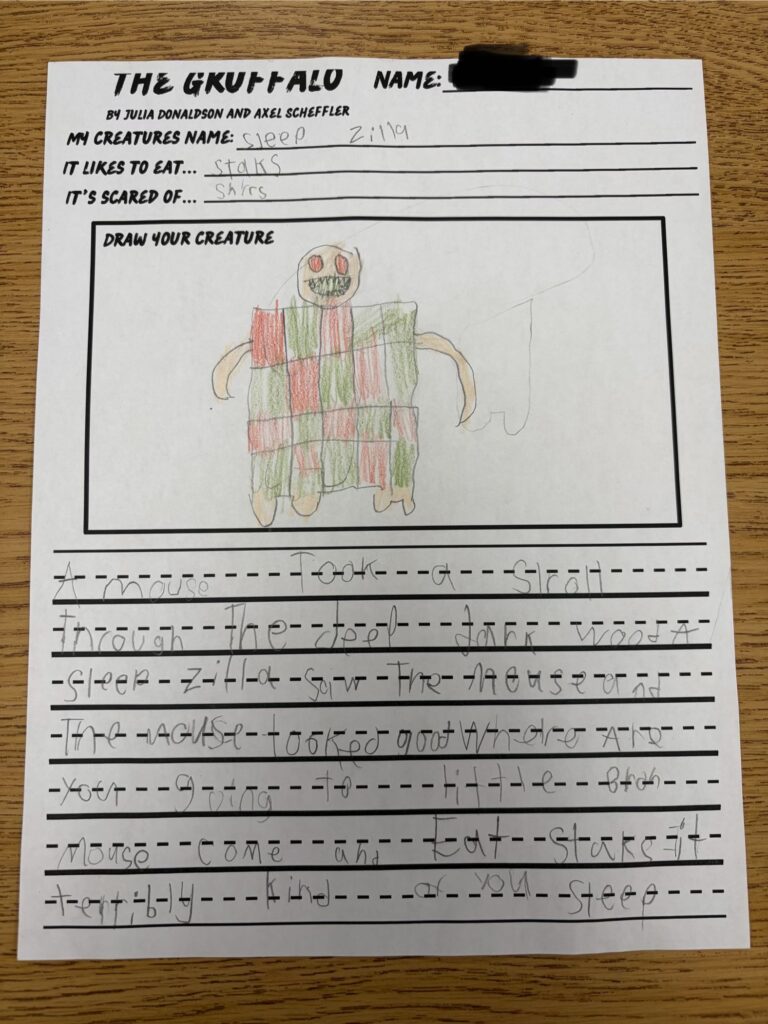
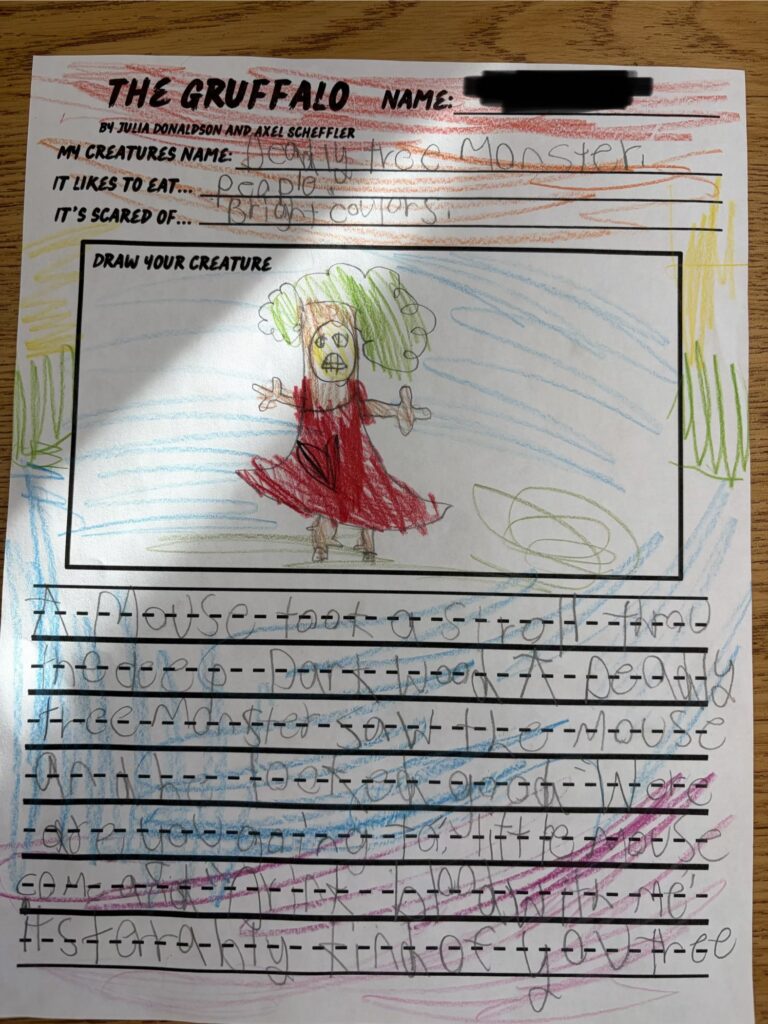
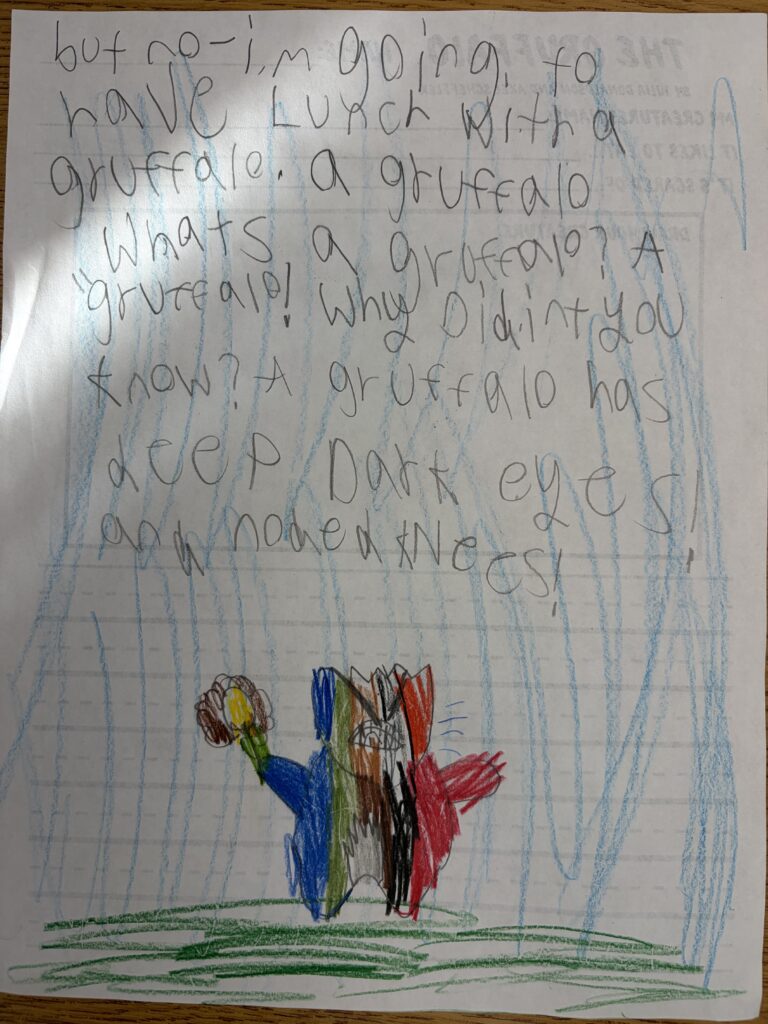
The activity was a worksheet I created on Canva. The students created a creature by giving it a name, what it likes to eat, what it’s scared of, and then they would draw a picture of what their creature would look like. Below the box where they would draw their creature, they were to use the poster that I created (see above) to follow the story line. When the orange blank lines came up in the sentences, students would use the information they came up with to fill the sentence in. While the students were working on their worksheet, I was walking around and seeing how they were doing.

Reflection:

This activity went really well. Students were engaged and loved creating their own creatures. One thing that I wished I had explained was that students did not have to go off of my poster and they could create their own story line with the Gruffalo. The teacher and I talked about it and they said that sometimes having the support for the students like the poster to copy off of and then fill in the blanks gives them no creativity and can by overwhelming to follow. Therefore, I wish that I told the students that if they did not know what to write that they can follow the poster to help guide them through the writing process but it was not mandatory. There were some students in the class who did not want to write, so then I told them to tell the story to their friends instead and they still got oral story telling in. The teacher was there to help me when students asked if they could write their own stories and they said yes. I truly felt support from this teacher as they communicated with me what the students wanted to do and how their was freedom which made it easier for me to think about what I would do differently for next time. The activity that I created supported the students oral language development, and their understanding of story structure by expressing their ideas in both written and oral forms.

Of course with this blog and writing about students, teachers, and other staff members, I have to follow the Professional Standards for BC Educators. I think I successfully completed standards 1, 2, 5, 6, 7, and 8. Throughout this blog and my lesson, I demonstrated standard 1 by prioritizing students well being and learning from the teacher, my own reflection, and adapting to the teachers suggestions on the spot. Standard 2 was completed by maintaining confidentiality by removing the students names on their examples and on the whiteboard where my poster was, not naming the teacher or the school I was in. I demonstrated standard 5 by reflecting on inclusive and purposeful teaching practices by thinking what I could do better next time. Standard 6 was shown through my ability to link classroom experience to the BC Curriculum and applied it to my teaching pedagogy. Lastly, by being engaged and reflective throughout my time in the classroom I demonstrated standards 7 and 8 by asking students what they were going to create, helping students get ideas, and again, adapting to the teachers feedback/adaptions.

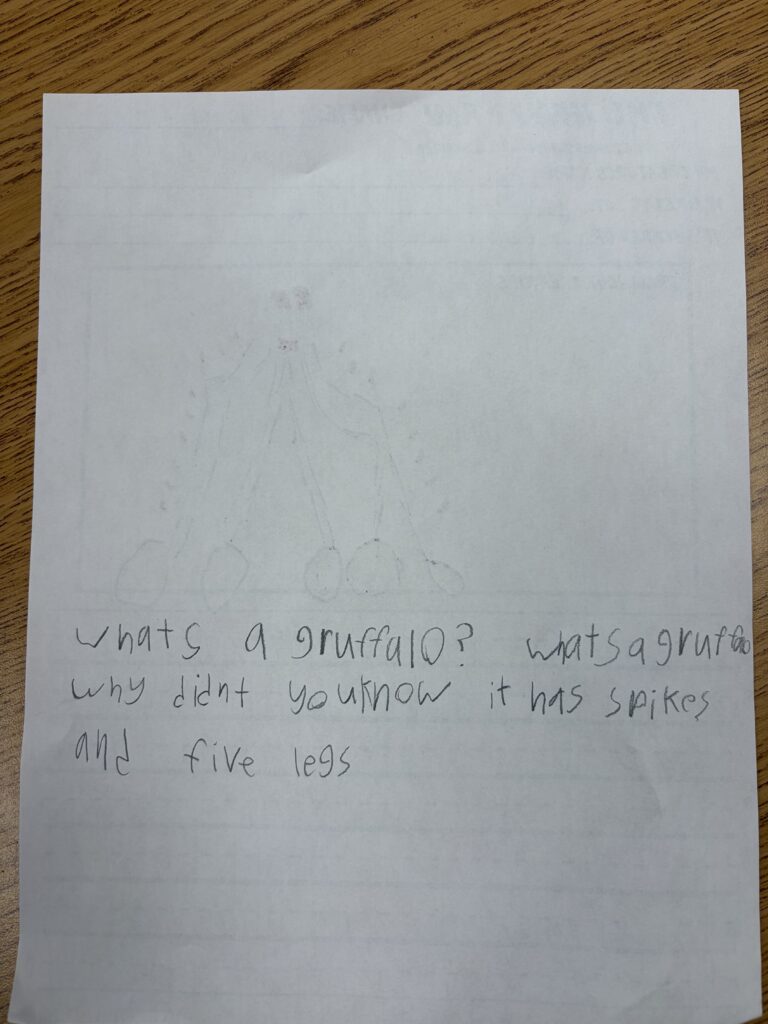
Here are some student examples of the worksheet:

The One Book That Changed Everything

Growing up, I struggled with reading. I could rarely finish a chapter book, and reading often felt frustrating and painful. As a child, my favourite books were Olivia and Clifford the Big Red Dog, but I would not say they changed the way I view reading. Throughout elementary school, I had teachers who helped me discover what books I enjoyed, and although I cannot remember the exact book title, my grade 6 teacher, Mrs. Potter, helped me realize that I was drawn most to a specific genre. The book that came closest to truly changing everything for me was I Am Malala.

I read this book when I was an intermediate student in elementary school, and it made me realize that I love reading about people’s stories and learning about life in other countries. I Am Malala taught me about the world and different perspectives, while also helping me understand how powerful and necessary education truly is. Through Malala’s experience, I began to see how education is not just what we do at school, but as a tool for change. This memoir allowed me to learn about parts of the world in an impactful way. Looking back, it also made me realize how much of a privilege it is to be a young female growing up in a country where free education is available to everyone all the way through to grade 12.

In Sometimes Reading is Hard, Robin Bright provides a reading survey (p.155) designed to help teachers understand their students’ attitudes, and interests in reading. This survey is a great tool that can easily be adapted from primary grades through to senior students in high school. By using this survey, teachers will know which books to put in their library or which books to recommend to individual students.

Here are the prompts:

1.Describe your ‘one book’ that changed everything for you as a reader.

I Am Malala is based on a true story about a young girl who lived in Mingora, in Pakistan’s Swat Valley. She faced many challenges being a female wanting to continue with her education in a place where the Taliban tried to take her right away. While girls were forced to stop going to school, Malala started dressing up as a male so she could continue attending school for as long as she could without being caught. One day, on her way home from school, she was shot by the Taliban. She later then woke up in the hospital in Birmingham, England. Her story spread around the world and she became a powerful voice for education rights and equal access to learning especially for females.

2. How do you feel about reading? Tell me about it.

Throughout elementary school, I struggled with reading, which made me dislike it and avoid it whenever I could. In middle and high school, I always made excuses about not having time to read because I was busy with sports and schoolwork. Over the past year, I have made a conscience effort to read more for myself even throughout the busy school year. I have made a goal for myself to reading at least 10 minutes a day. I try to read at night time before I go to sleep because I have found it helps me relax and unwind.

3. What types of books do you like to read?

My go-to types of books to read are historical fiction, military fiction, memoirs, and biographies. I am especially drawn to stories that are based on real events or real people, because they help me better understand history, human experiences, and different perspectives.

4. List some hobbies and things you like to do outside of school.

Some of my hobbies outside of school include junk journalling/bullet journaling, reading, playing pickleball or really any sport, and taking barre classes. I also love being outdoors, whether that is cross-country skiing, hiking, swimming in lakes, camping, or taking my dog for walks and throwing his frisbee! And of course, one of my favourite things to do is taking photos of my dog.

5. Who are your favourite authors?

Some of my favourite authors from the books I have read so far include J.K. Rowling, Charlotte McConaghy, and Wendy Holden. I also enjoy Anne Franks Diary and of course Malala Yousafzai, which I am going to read her new book this year!

6. Tell me a bit about the last book you read that you really enjoyed.

The last book that I truly have enjoyed reading was The Teacher of Auschwitz by Wendy Holden. The book tells the story of Fredy Hirsch, a young man in Auschwitz who protected and cared for children in the camp. He created spaces where the children could learn, play, and sing. Within the ghettos he secured food and supplies to keep the children alive and happy. This book offers a perspective I hadn’t fully understood about concentration camps.

7. Tell me a bit about what you have been doing since last semester during your winter break. How have you been spending your time?

During my winter break, I went to Playa del Carmen for ten days with my family! We stayed at a resort and only left twice – once to explore Playa del Carmen and the other was to go on an excursion at Xplore. We went at the beginning of break, so we were home for Christmas, and of course I had to have a Christmas photoshoot with my dog! I also spent time baking lots of sourdough bread, our Christmas baking snacks, and going cross country skiing in Kimberly and Panorama.

8. What subjects or topics do you like learning about?

I enjoy learning about Science, English, and Math, but I especially like learning about historical events that impact the world and humanity. I also love exploring different cultures, but I like to do this by travelling. I got the travel bug after I went to Tanzania for my three-week practicum.

This was one of my favourite lessons that we did with our students. We took them outside to learn which was a privilege unless it was physical education. We then got them to be the salary system rotating in orbit. Such a special and fun moment!

9. If you could read a book about one thing, what would that be?

If I could read a book about anything, I would always choose a historical topic. I am especially drawn to military history, social histories, and memoirs or biographies of people who have lived through extraordinary experiences. There is something about learning from the past and hearing real stories that I find very interesting.

Resources

https://www.goodreads.com/book/show/17851885-i-am-malala

https://www.goodreads.com/book/show/217896255-the-teacher-of-auschwitz

© 2026

Theme by Anders NorenUp ↑