For three weeks straight, I have gone into a local school and did three different read aloud’s with a literacy activity that went with a book of our choice.
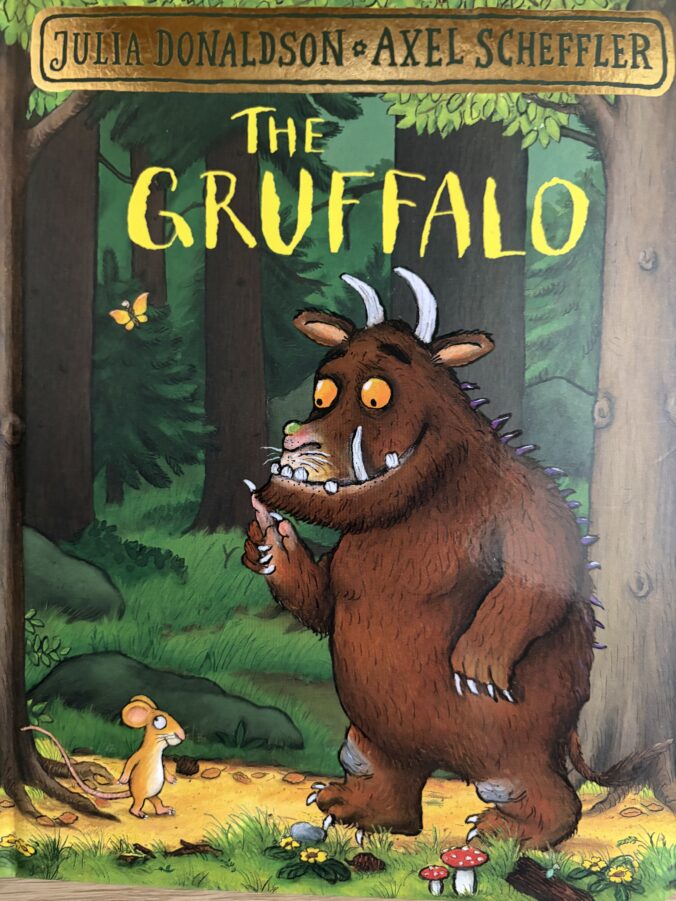
I am going to be focusing on week two which is where I read The Gruffalo to a grade 2/3 class.
I completed the Read Aloud Planning Template, from our textbook, Read Alouds for All Learners by Molly Ness (2024) on page 102.
How does this connects to the BC Curriculum for English Language Arts in the grade 2/3?
Big Idea: Language and story can be a source of creativity and joy.
Curricular Competency: Exchange ideas and perspectives to build shared understanding.
Content: Strategies and processes – reading strategies
Core Competencies: Communicating, and Creative thinking.
This activity connects to the Big Idea that language and story are a source of creativity and joy, as students used their imagination and narrative language to create their own original characters. The curricular competency of exchanging ideas was demonstrated through class discussions during the read aloud and during the activity.
My Activity:
When I walked into the classroom, the students and the teacher were at the carpet. I then introduced myself and then the teacher asked if they could finish talking about their day plan. While they were finishing up, I put their literacy worksheet on their desks. Then I joined the class on the carpet and I read The Gruffalo. I then got the students engaged by pausing throughout the book to get the students to think if they notice any patterns, or what they think was going to happen next. Once we got through the whole book, I put up the poster I created on the white board and explained it with the class. I explained that the poster followed the same lines as the Graffalo and this would be important for when we did the activity.
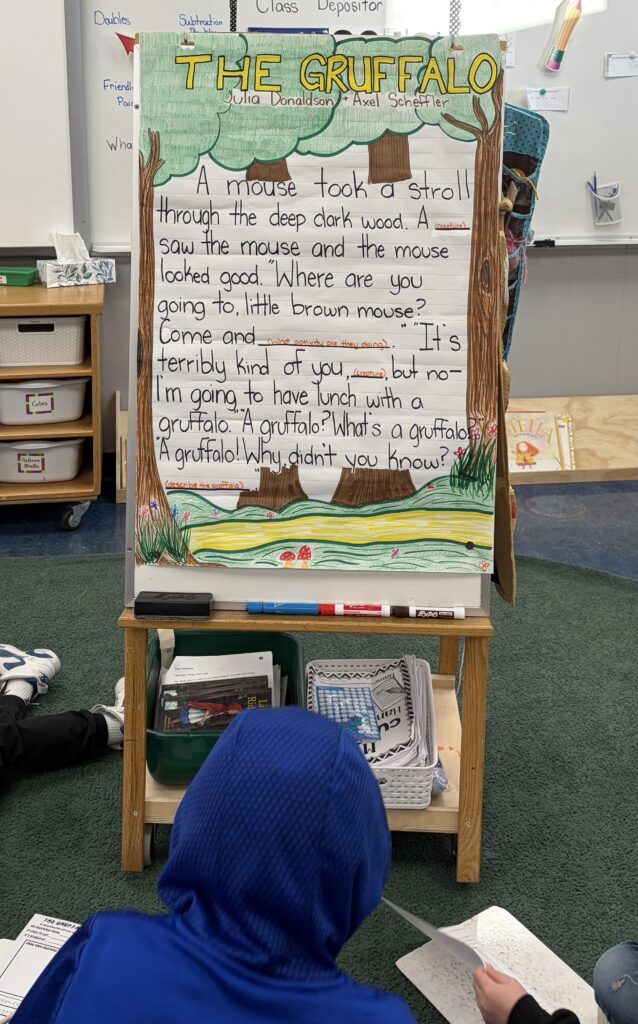
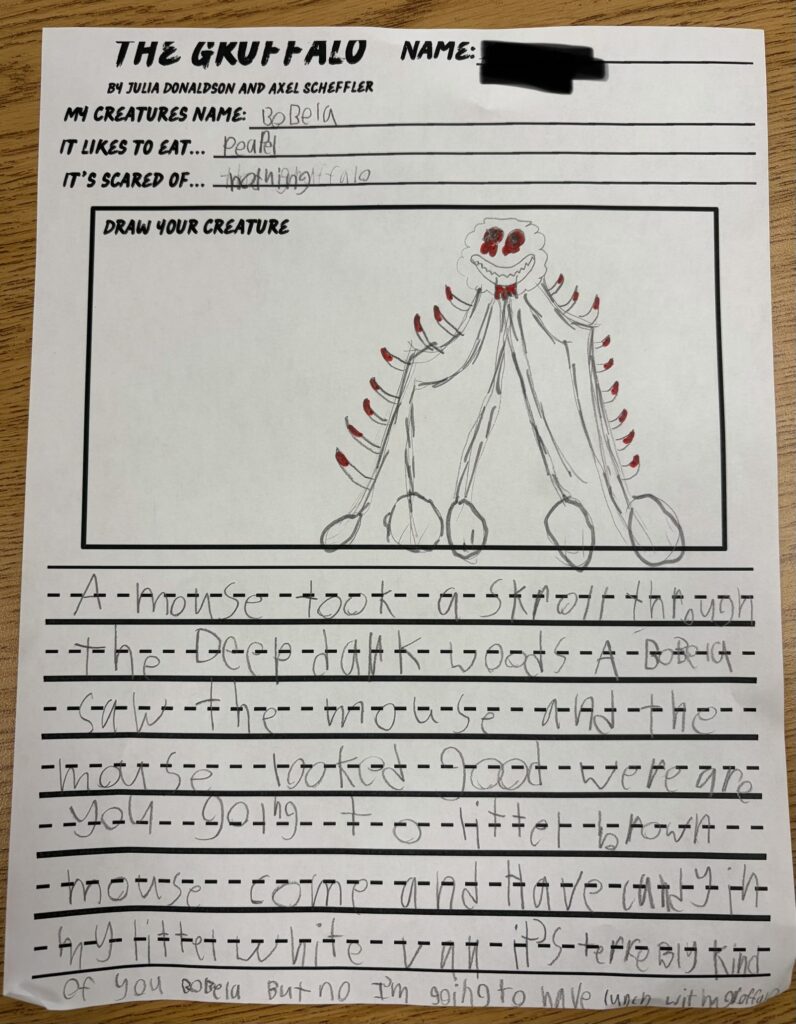
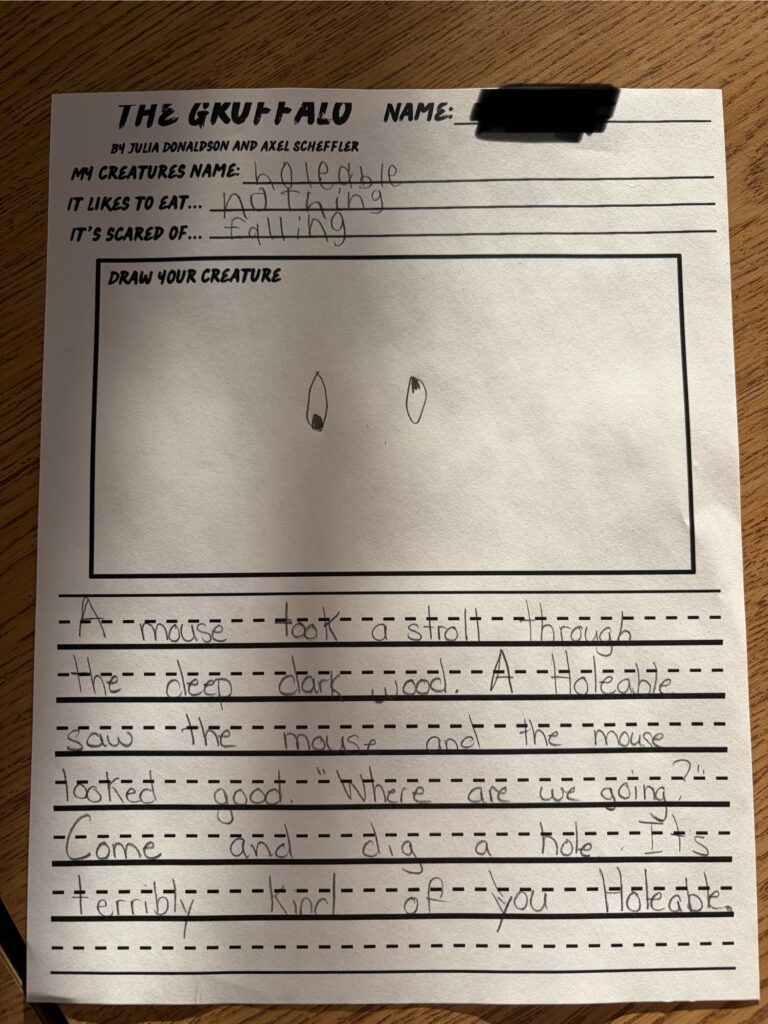
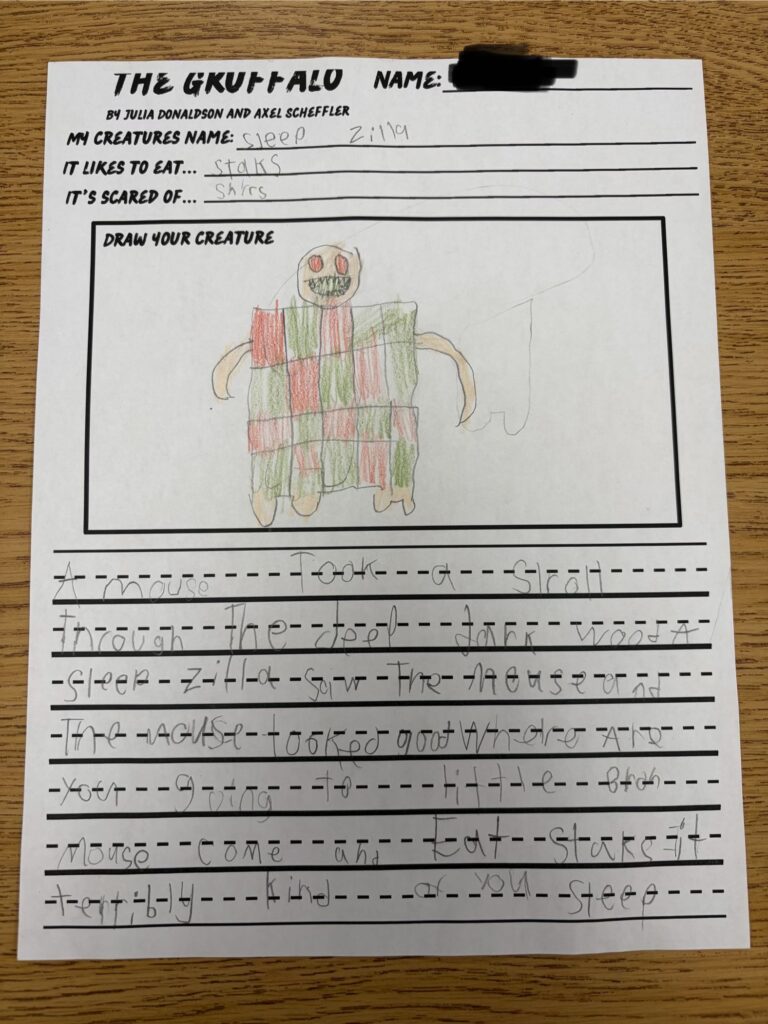
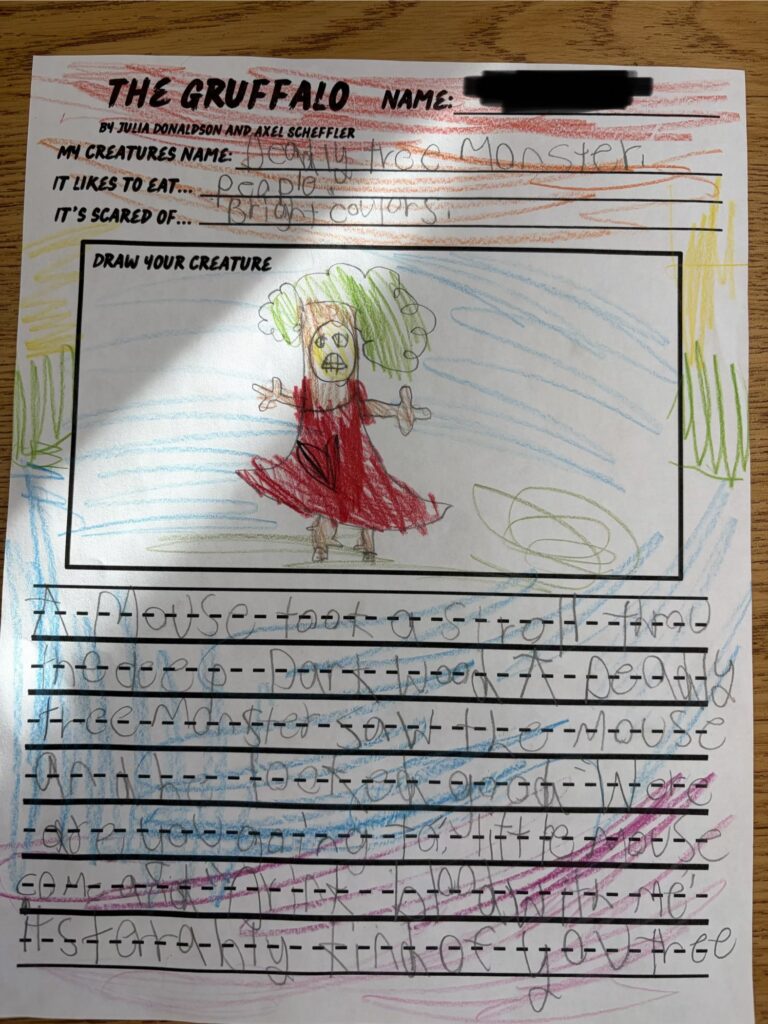
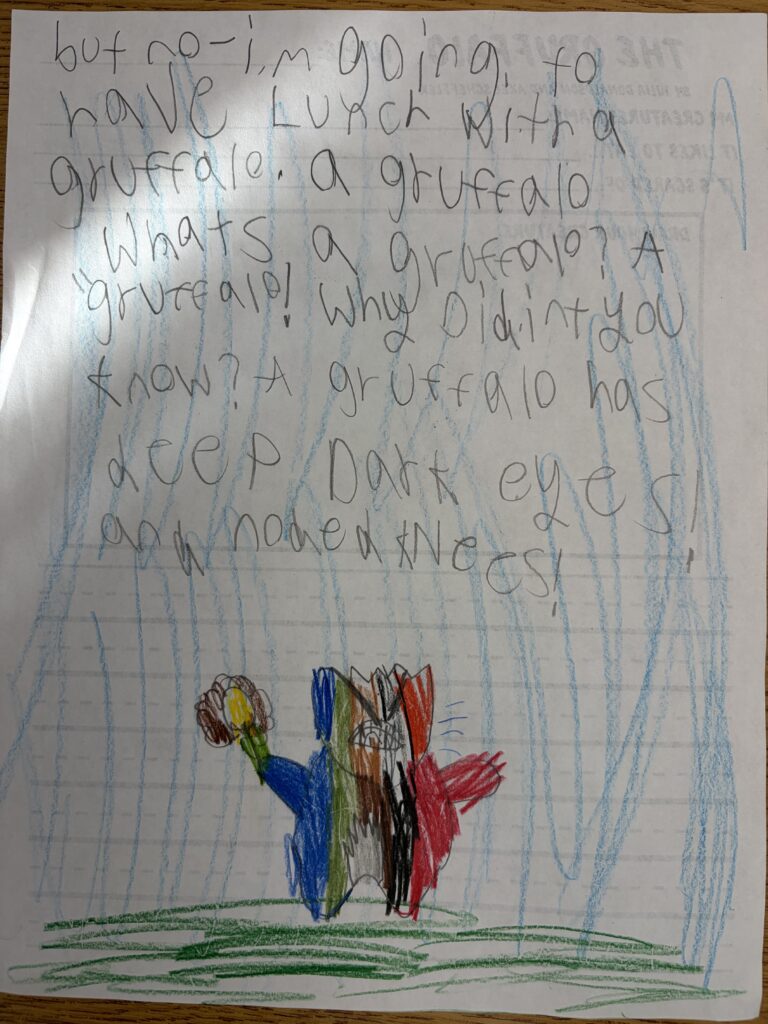
The activity was a worksheet I created on Canva. The students created a creature by giving it a name, what it likes to eat, what it’s scared of, and then they would draw a picture of what their creature would look like. Below the box where they would draw their creature, they were to use the poster that I created (see above) to follow the story line. When the orange blank lines came up in the sentences, students would use the information they came up with to fill the sentence in. While the students were working on their worksheet, I was walking around and seeing how they were doing.
Reflection:
This activity went really well. Students were engaged and loved creating their own creatures. One thing that I wished I had explained was that students did not have to go off of my poster and they could create their own story line with the Gruffalo. The teacher and I talked about it and they said that sometimes having the support for the students like the poster to copy off of and then fill in the blanks gives them no creativity and can by overwhelming to follow. Therefore, I wish that I told the students that if they did not know what to write that they can follow the poster to help guide them through the writing process but it was not mandatory. There were some students in the class who did not want to write, so then I told them to tell the story to their friends instead and they still got oral story telling in. The teacher was there to help me when students asked if they could write their own stories and they said yes. I truly felt support from this teacher as they communicated with me what the students wanted to do and how their was freedom which made it easier for me to think about what I would do differently for next time. The activity that I created supported the students oral language development, and their understanding of story structure by expressing their ideas in both written and oral forms.
Of course with this blog and writing about students, teachers, and other staff members, I have to follow the Professional Standards for BC Educators. I think I successfully completed standards 1, 2, 5, 6, 7, and 8. Throughout this blog and my lesson, I demonstrated standard 1 by prioritizing students well being and learning from the teacher, my own reflection, and adapting to the teachers suggestions on the spot. Standard 2 was completed by maintaining confidentiality by removing the students names on their examples and on the whiteboard where my poster was, not naming the teacher or the school I was in. I demonstrated standard 5 by reflecting on inclusive and purposeful teaching practices by thinking what I could do better next time. Standard 6 was shown through my ability to link classroom experience to the BC Curriculum and applied it to my teaching pedagogy. Lastly, by being engaged and reflective throughout my time in the classroom I demonstrated standards 7 and 8 by asking students what they were going to create, helping students get ideas, and again, adapting to the teachers feedback/adaptions.
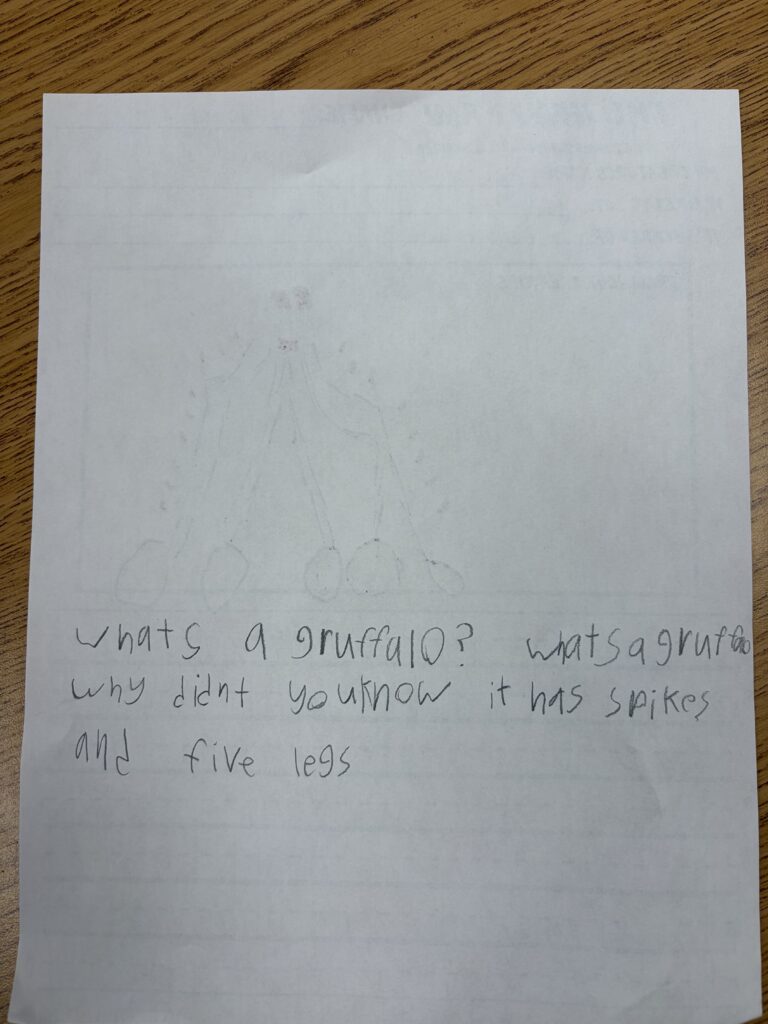
Here are some student examples of the worksheet: