
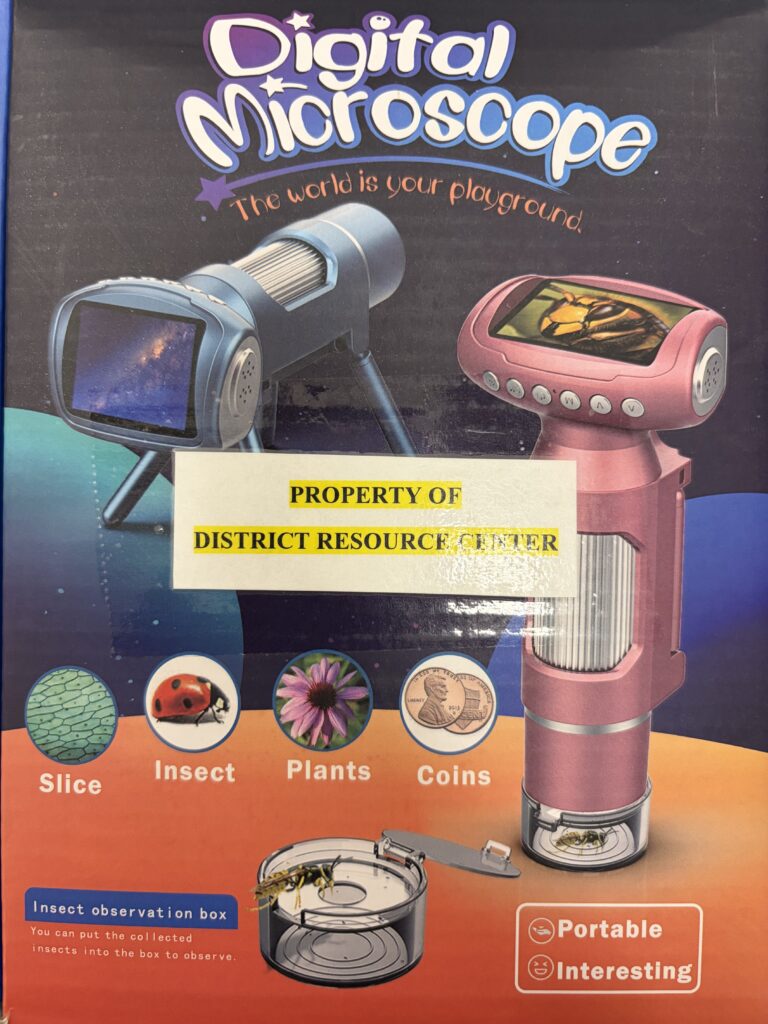
For this class, we brought out microscopes that were age appropriate to use within elementary schools. This was my AHA moment. I totally would have never even realized that there are different levels of scientific instruments that are for elementary students that even the primary grades could use. My teacher rented them from our local resource centre.
Here is what the microscopes look like:
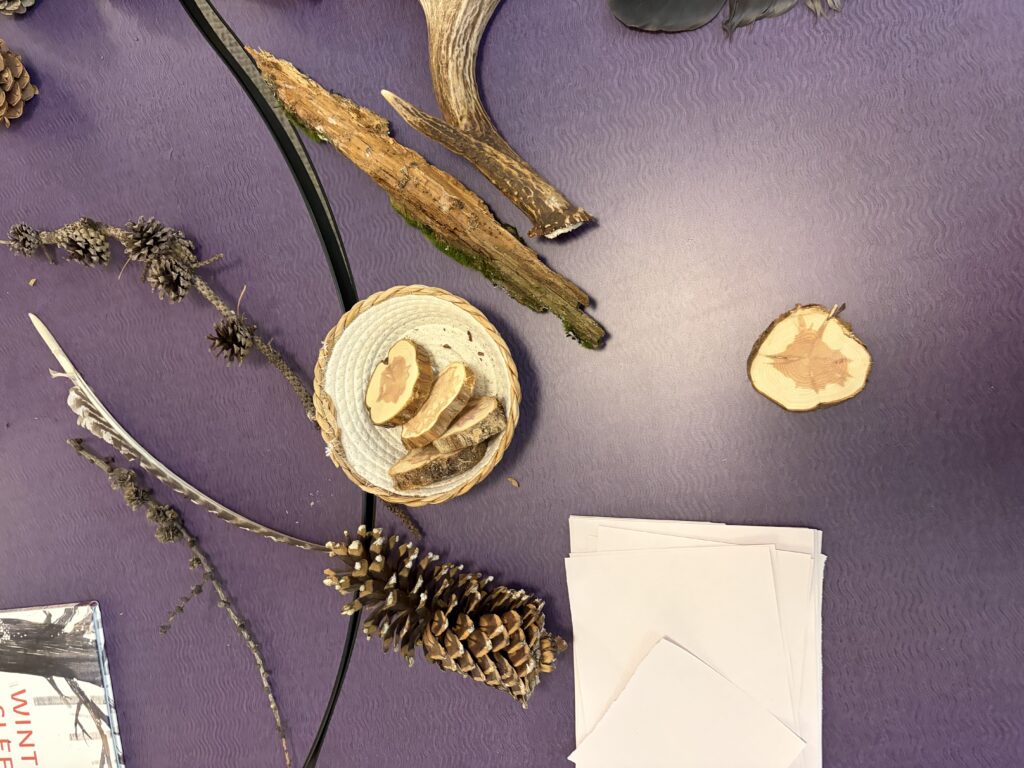
Using these microscopes, our teacher brought in natural resources from outside for us to look at through these microscopes.
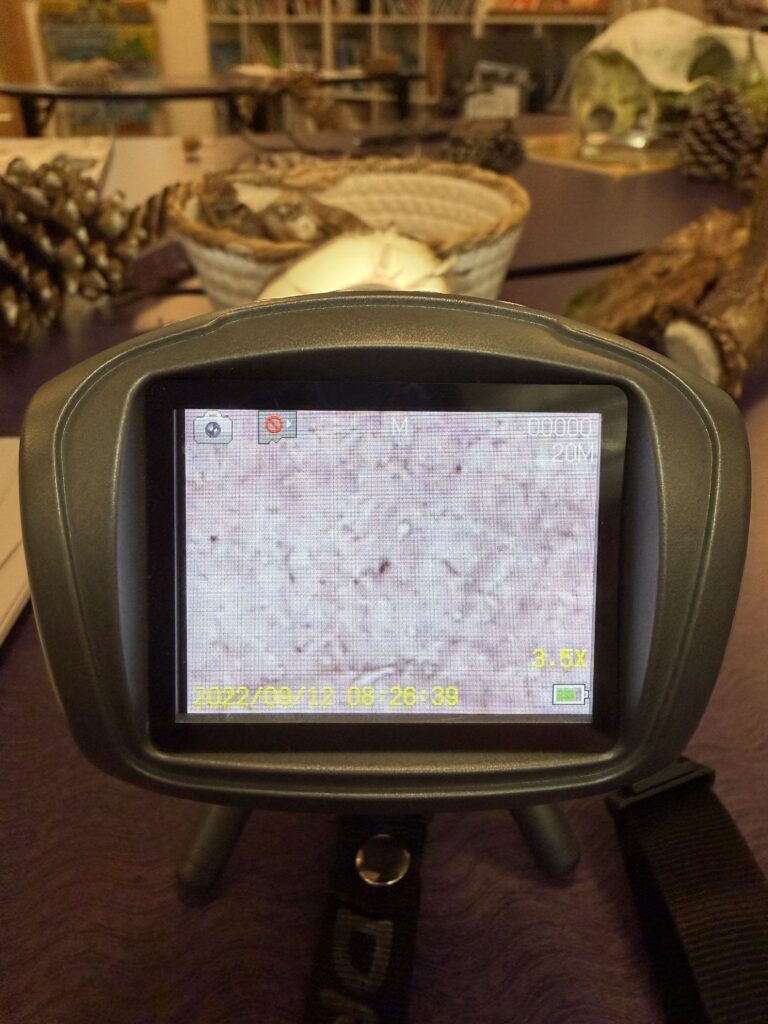
When we focused these items on our microscope, we had to draw what it looked like. This is what I drew (cork hot plate). Although the picture below is of one of the wood cookies.
When we were done drawing, we had to put our drawing and our item on the table in random spots. We our teacher picked a couple of us to guess which drawing went with an object. After a couple of us guessed, we all picked our item and put it with the object we drew.
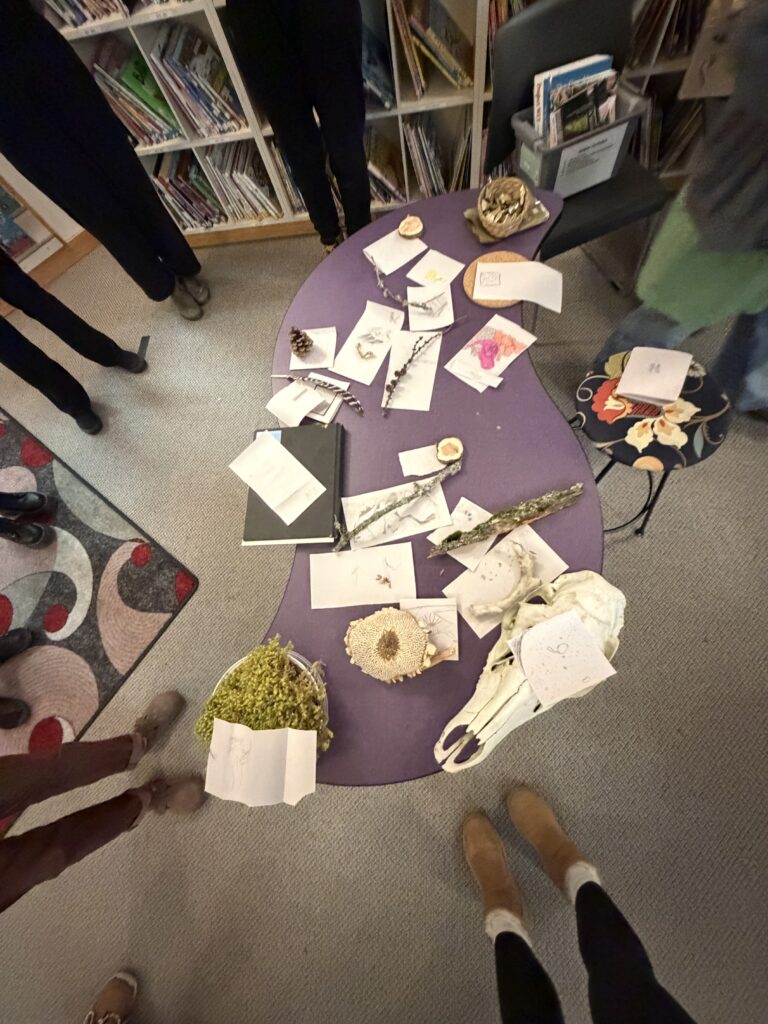
This connects with the BC Curriculum Science Curricular Competencies, communication, processing and analyzing data and information, and additionally, safety of using scientific tools. This lesson allows students to be curious and experiment while other students are still working on their drawings. When I was waiting for my peers to finish their drawings, I was looking at the table we sat at and other objects through the microscope that were from outside. Additionally, this allows students to analyze details and represent their findings through drawing. This activity is inquiry based which reflects how the BC Curriculum highlights hands on exploration rather than memorization in the elementary school levels.
This was an AHA moment because I realized scientific tools like microscopes are accessible even in primary grades. It challenged my thinking about what is developmentally appropriate in science. This activity impacted my learning by reminding me that students learn best when they feel like real scientists (hands-on learning). I think science is hard to always have hands on learning but this activity made it clear that it is important to have hands on learning whenever possible to keep students engaged and learning. Microscopes also help students learn ways about the world that they would not be able to see with their naked eye which will create inquiry. I know I was engaged and being curious about what other objects look like around me.