
February 14th 2026
Soft starts are used in classrooms to provide a calm and flexible way to begin the school day or to transition students back into learning after recess or lunch-hour play. Soft starts can be intentionally planned by the teacher, or they can be offered through bins with different activities that students can choose from independently. These activities are meant to be low stress, calming, and creative. The goal of having soft starts throughout the day is to ease students into the learning environment while also creating connections with their peers.
Some examples of soft starts we have done so far this year in our EDCI 330 class include:
- Puzzles
- Building snowflakes
- iSpy
- Finger knitting
- Story Rocks
There are many different other activities of soft starts such as:
- Reading
- Drawing/journalling
- STEM activities
- Games
- Group Discussions
I also listened to the Truth for Teachers podcast episode on soft starts, which offered many soft start ideas from kindergarten to older grades.
Puzzle Soft Start Activity
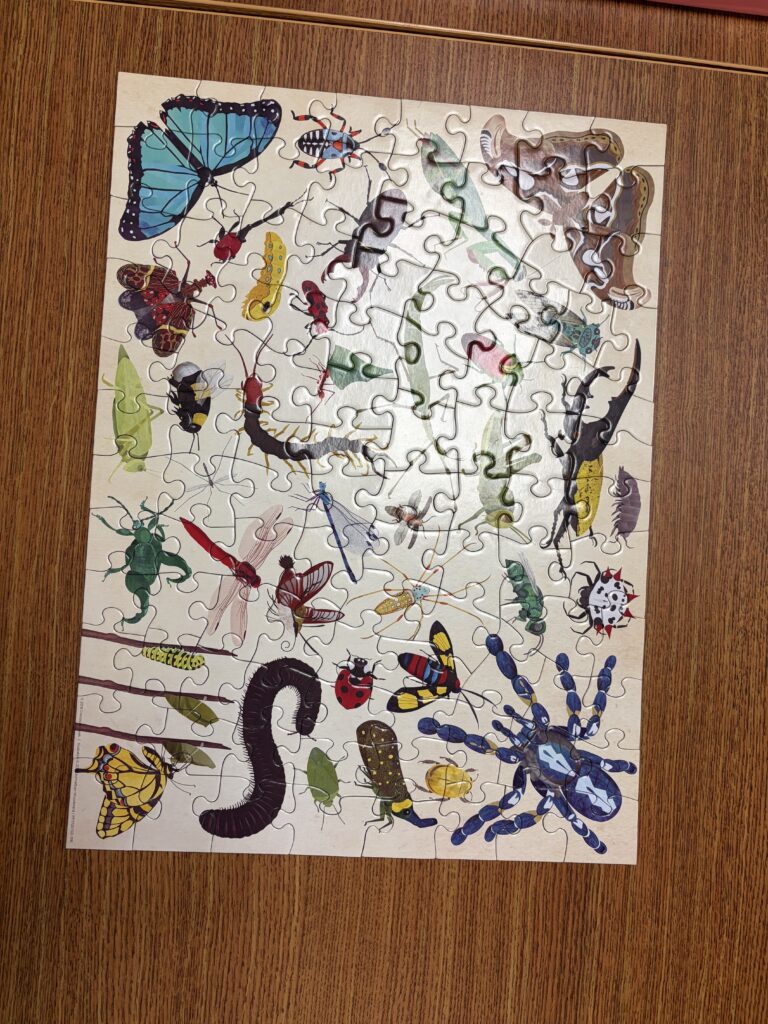
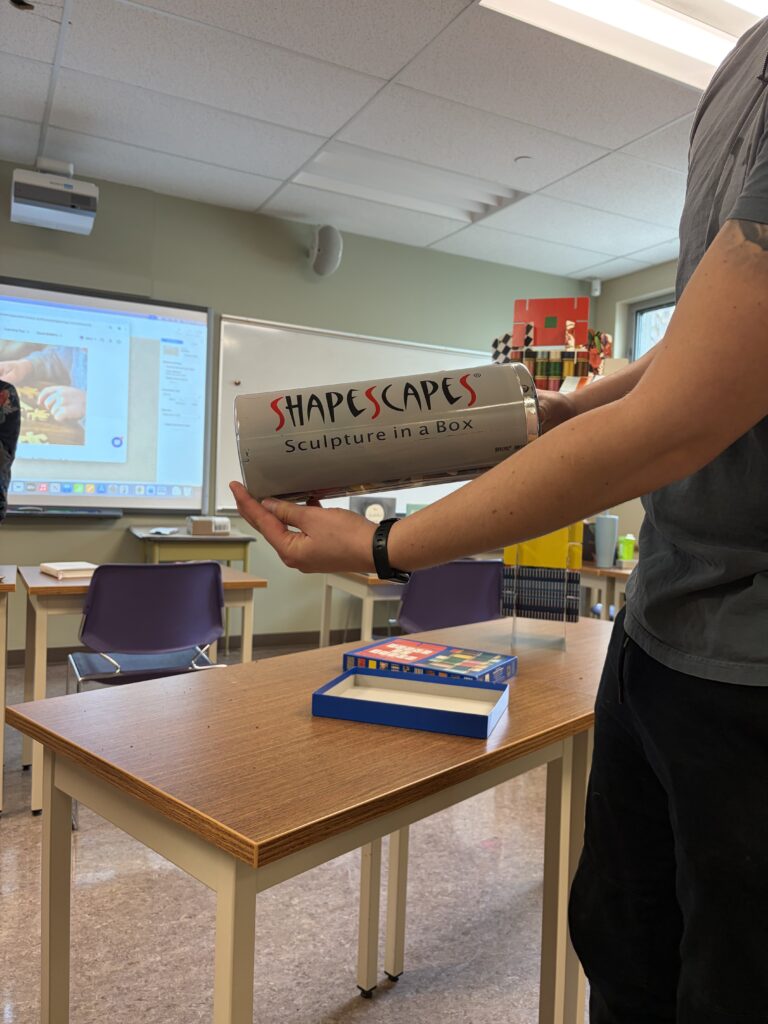
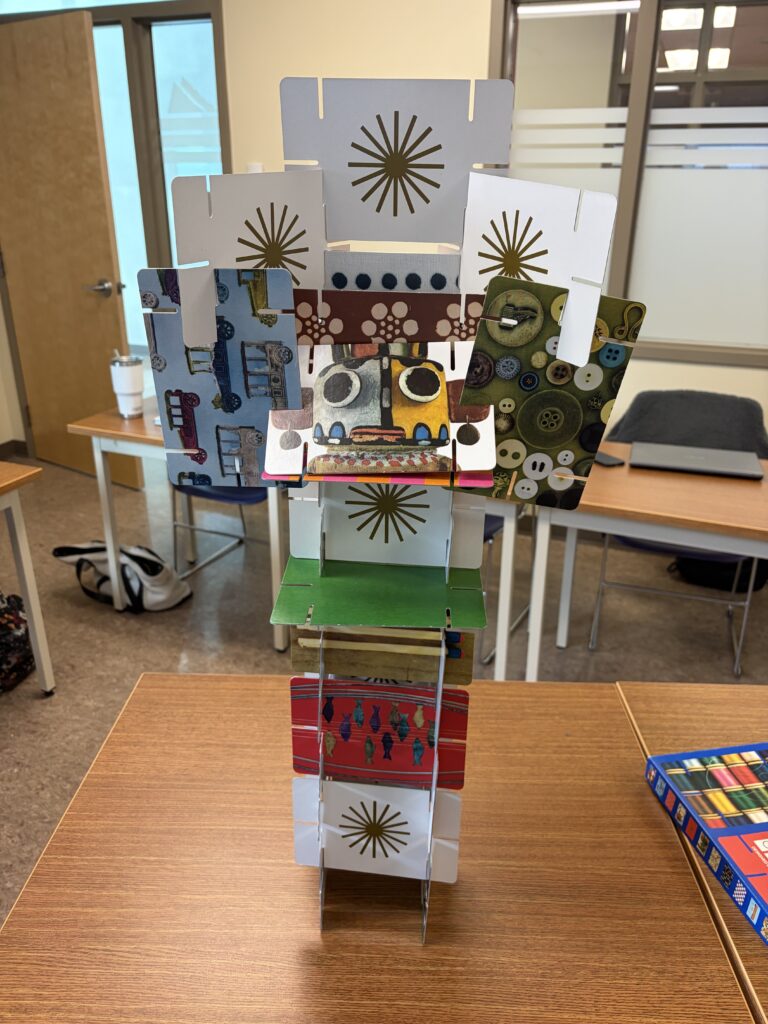
Puzzles are a great soft start activity because they support the development of problem solving skills while remaining no risk/low risk for students. This keeps students engaged as they focus on their own puzzle. Puzzles enhances fine motor skills, and improves SEL (social emotional learning). They enhance language development, memory, and students spatial awareness.
Our teacher started this class by creating groups of 2-3 students. She then handed out different puzzles for each group to complete. Our teacher provided Ktunaxa puzzles, animal puzzles, she even had Shapescapes and House of Cards (for some reason, I cannot find the link). Once the first group finished their puzzle, they were allowed to try different types of puzzles with their group. I thought that puzzles were a great type of soft start that was super engaging and relaxing. I really liked how there were multiple types of puzzles so that you either be more creative, like with the house of cards, or you could choose to stick with a basic jigsaw puzzle. Starting off with puzzles in the morning is a great idea because there is no pressure to finish the puzzle. The focus is on where you are at. If groups are more talkative, the activity allows space for connection; if students are quieter, it still supports focus and calm engagement. This activity relates to the UVIC Teacher Competency number 7, Practice working collaboratively and collegially as well as independently, as it encourages both independently and collaboratively working. By incorporating puzzles into your soft start activities, teachers promote collaboration, communication, and shared problem solving in a low-pressure environment.
Snowflake Soft Start Activity
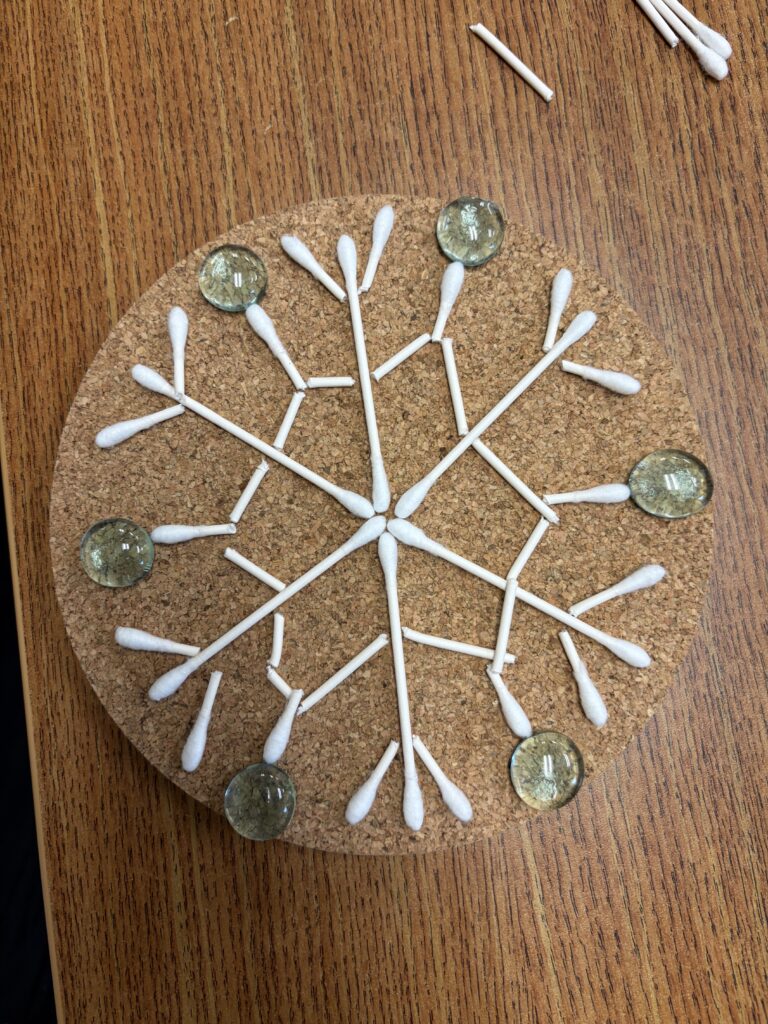
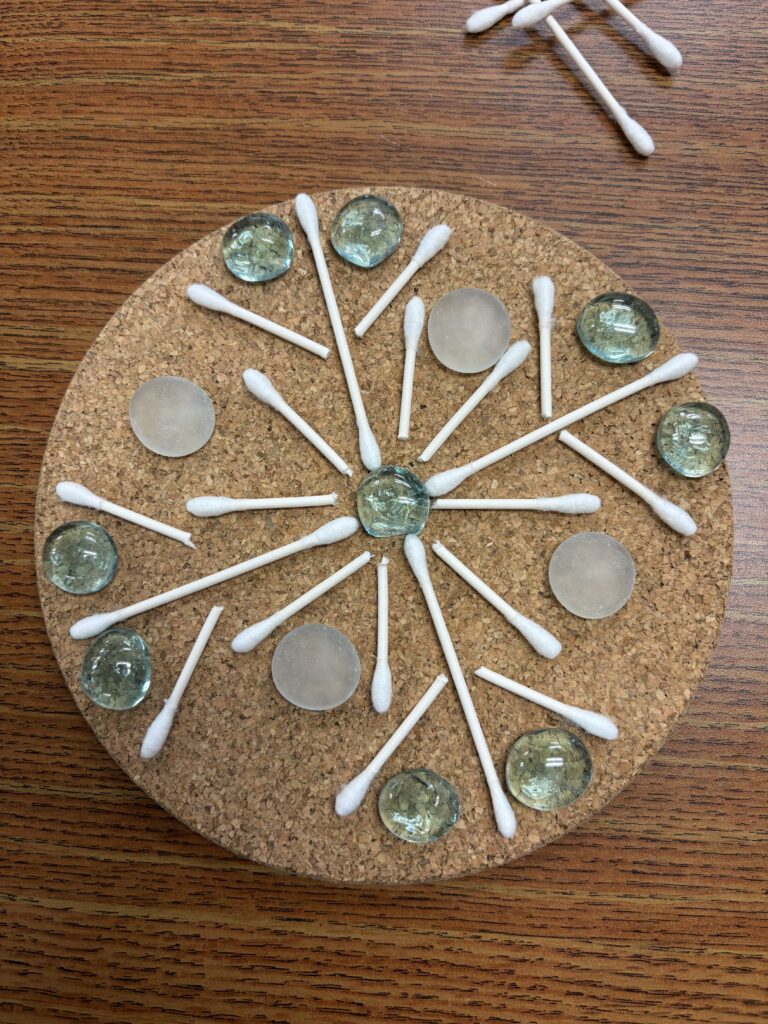
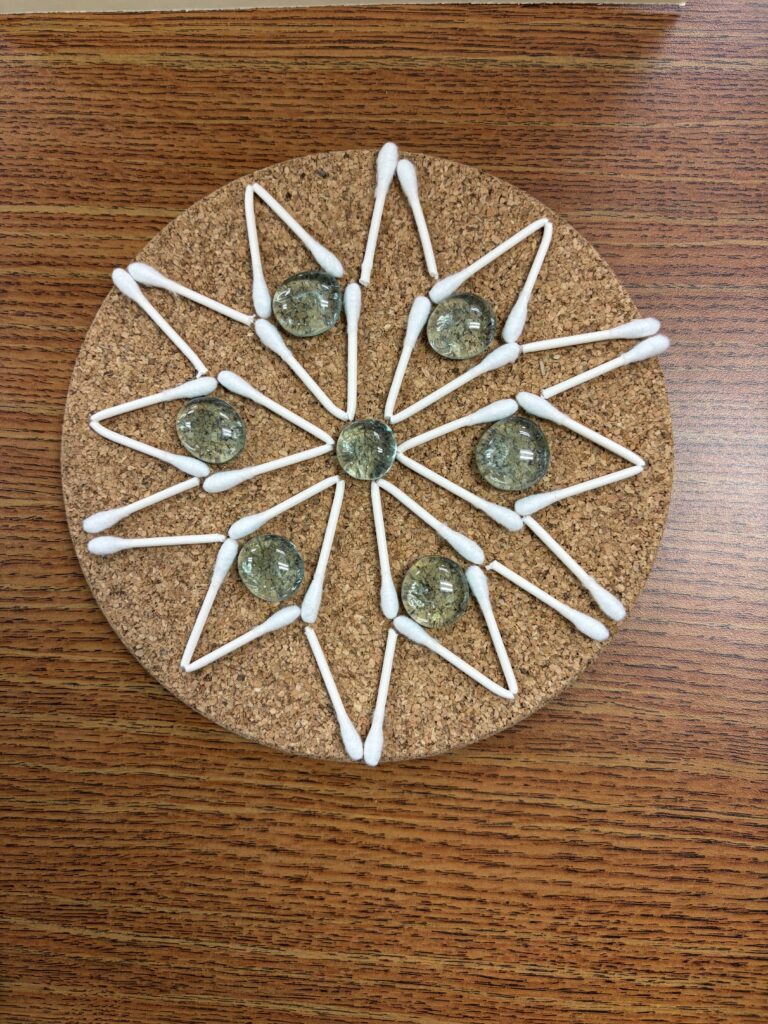
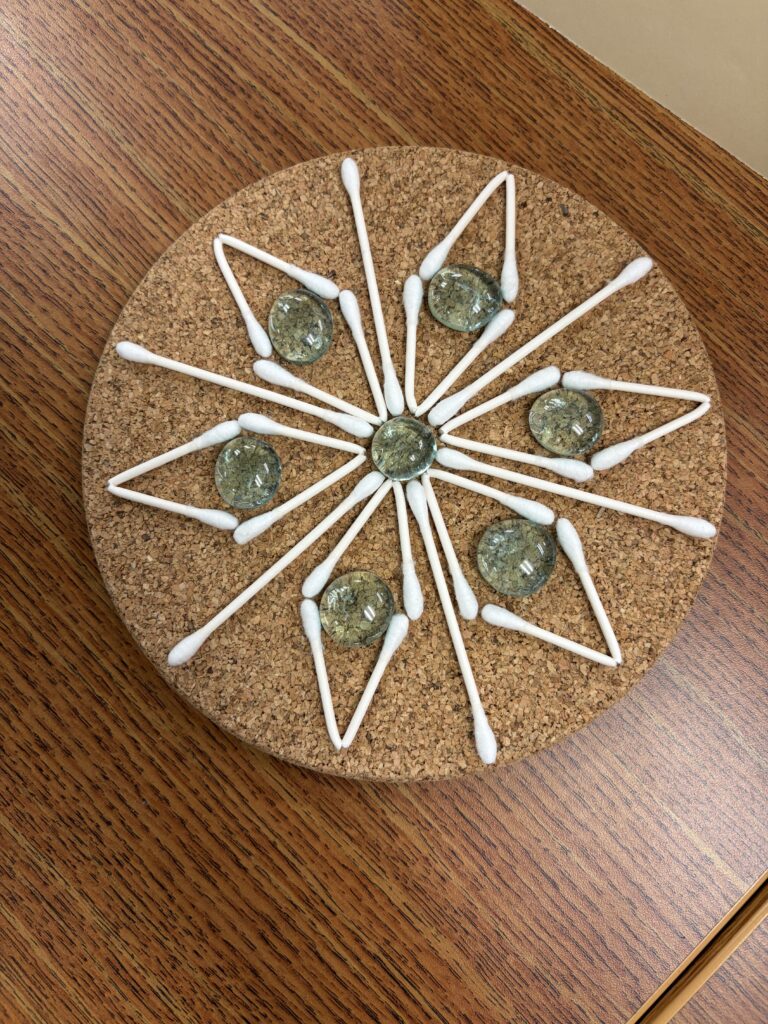
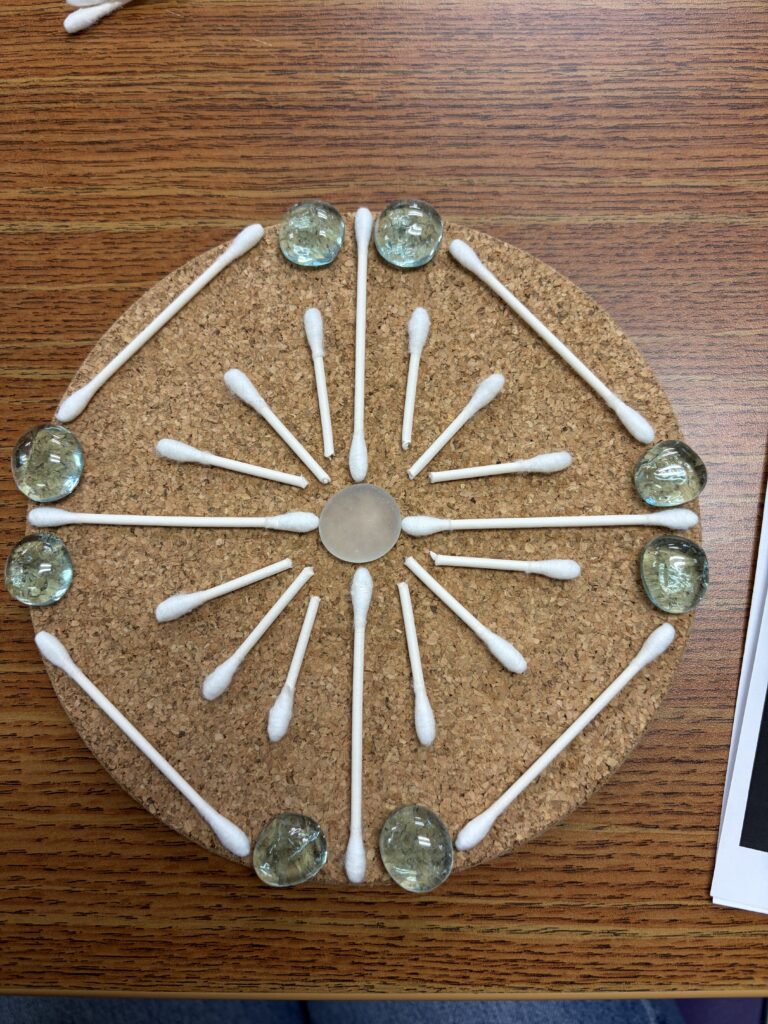
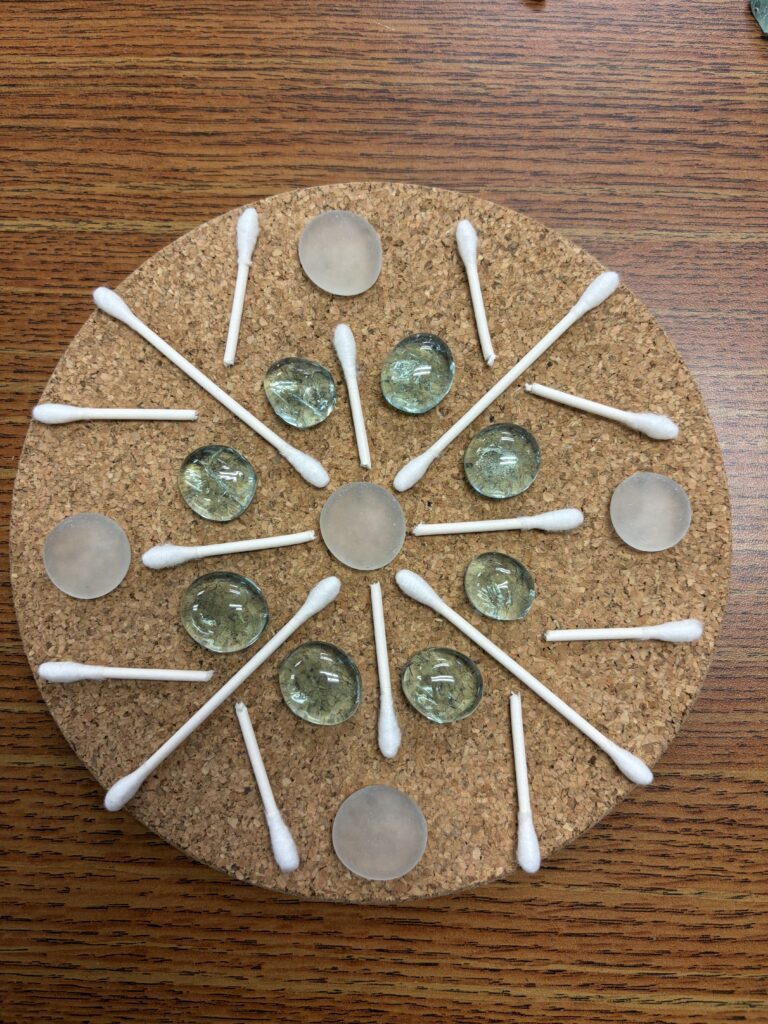
What you need:
- Cork hot plates
- Q-tips
- Glass counters
- Pom-poms
- Scissors
- Different Pictures of snowflake shapes and patterns
In this soft start activity, students will use the supplies to create a snowflake design. They can choose to follow the pictures provided by the teacher, or they can come up with their own design. During this activity, students are encouraged to use critical thinking, problem solving, creativity, and decision making. Students are allowed to work independently or in pairs. When working in pairs, the students must make sure that both participants are taking turns.
This activity is a great way to engage students in a calm and creative way, and it could easily be cross curricular with Science, English, and Art. This activity allows students to become comfortable in their learning environment while slowly transitioning into their learning mode.
Creating snowflakes out of different resources benefits the students as there is no pressure to immediately think academically or to think creatively. This activity relates the UVIC Teacher Educational Competency number 12, develop an understanding of how learners learn in order to cultivate effective learning environments. This competencies relates to the snowflake activity by recognizing the students’ needs and providing a positive, supportive learning environment that sets them up for a successful learning day.
Having soft starts in your classroom helps create a welcoming environment where everyone is/feels respected and is able to express themselves on how they are doing that day. Soft starts allow students to unknowingly build on their SEL (social emotional learning), while also creating connections with their peers. Many soft start activities naturally connect to SEL making them a valuable part of the school day.
In the future, I plan to incorporate soft starts into my own classroom. Creating and offering different activities every morning for 10-15 minutes is beneficial for creating those relationships with your students and understanding how your students are going to preform academically. Soft starts also provide teachers with time to observe your students and assess their skills, emotional states, and social interactions with their peers. Lastly, it allows for the teacher to have one on one time with those students who may need additional support, helping to build a positive and inclusive classroom community.
Nothing like a soft start to begin the day! The fact that some centres can be low prep is great. Soft start are such a ‘one stop, shopping spot’ as they tick off the SEL ‘box’, Core competency ‘box’ as well as making connections with your students ‘box’. I jest with the box ticking, but having choice of mindful, peaceful, creative, or risk – taking activities helps to create community. Once community is established in your classroom, the sky’s the limit!